Sewage pumps play a critical role in maintaining a healthy and efficient plumbing system. At MoCo Plumbing, we explore the essential aspects of sewage pumps, including their limitations, methods to prevent backups, the efficiency of septic systems, health and safety considerations, and how to protect your basement. By understanding these factors, you’ll gain a greater appreciation for the importance of proper sewage management and the vital role pumps play in safeguarding your home. Whether you’re a homeowner or a property manager, grasping sewage pump functionality can help you make informed decisions. Let’s dive into the details to learn how to keep your plumbing system running smoothly.
Gravity Limitations
The Role of Gravity in Wastewater Management
Wastewater flows from your home to the municipal sewer system or septic tank due to the influence of gravity. This process relies on a slope to transport waste effectively, ensuring it flows seamlessly away from your property. However, not all homes are positioned to take full advantage of gravity-fed systems. Houses located in low-lying areas or those with basements below the sewer line often encounter challenges with wastewater management. In such cases, gravity alone isn’t sufficient to move waste effectively, leading to potential backups and plumbing issues.
When Gravity Isn’t Enough
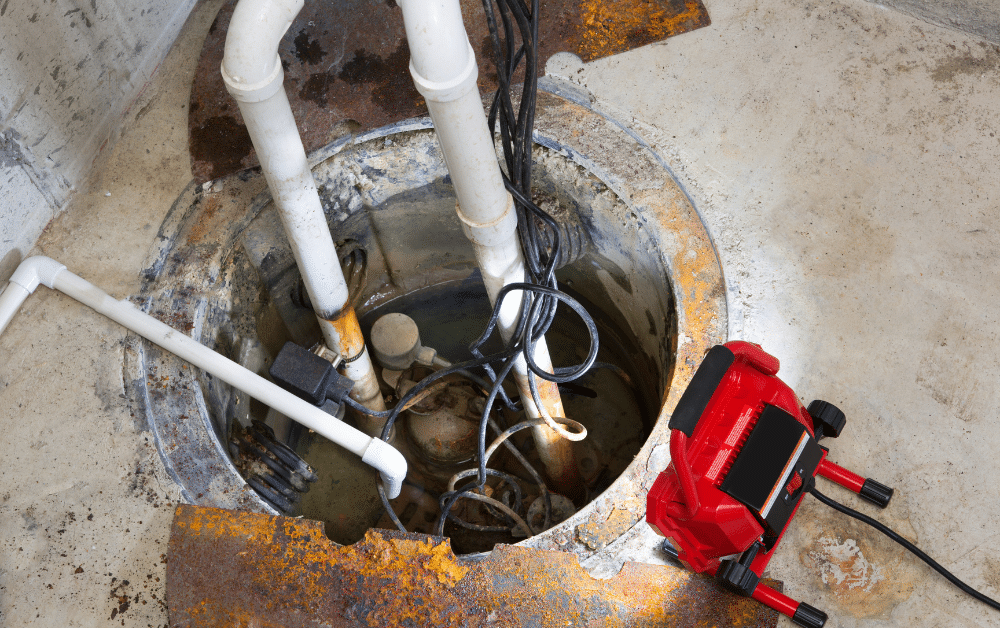
Sewage pumps are essential when gravity cannot adequately transport wastewater. These pumps lift waste and water to higher elevations, ensuring it flows properly to its designated location. They are typically installed in a sump basin, which collects wastewater before the pump activates to move it out of the area. Depending on your distinct needs, various types of sewage pumps are available. Submersible pumps operate underwater, while effluent pumps are used for lighter wastewater, making them suitable for different applications.
Choosing the Right Pump
Selecting the right sewage pump involves several factors, including the volume of wastewater produced and the elevation required for pumping. Different pumps have varying capacities and features, so assessing your situation is crucial. A qualified plumber can evaluate your home’s plumbing layout and recommend the most suitable option. This professional assessment ensures that you invest in a pump that meets your needs, minimizing the risk of future problems. Making an informed choice will ultimately contribute to the efficiency and reliability of your sewage system.
Preventing Backups
The Importance of Sewage Pumps
One of the primary functions of a sewage pump is to prevent backups in your plumbing system. A sewage backup can lead to significant damage, costly repairs, and health hazards, making it crucial to have a reliable pump in place. The pump is a safeguard, actively removing wastewater from your home and preventing it from accumulating in unwanted areas. Without a properly functioning sewage pump, your plumbing system is at risk of failing when you need it most. Therefore, ensuring the pump operates efficiently is essential for maintaining a healthy home environment.
Regular Maintenance and Inspection
Regular maintenance is essential for keeping your sewage pump operating effectively. Scheduling routine inspections allows a plumber to identify wear and tear, clean the sump pit, and ensure all components function correctly. Scheduling these maintenance checks prevents trivial problems from evolving into significant complications, allowing you to conserve time and financial resources. During inspections, plumbers can also check the electrical connections and float switch, both critical for proper pump operation. Regular care ensures that your pump remains a reliable plumbing system component.
Proper Installation Practices
Proper installation practices are equally important in preventing sewage backups. Engaging a trained technician who understands the intricacies of plumbing systems for your pump installation is critical to achieving optimal performance. Poor installation can lead to inefficiencies and increase the likelihood of backups occurring. An experienced plumber will ensure the pump is correctly positioned and all connections secure. This attention to detail during installation significantly reduces the risk of failure, allowing you to enjoy peace of mind knowing your sewage system is functioning optimally.
Septic System Efficiency
How Sewage Pumps Aid Septic Systems
For homes with septic systems, sewage pumps are vital in ensuring the system operates efficiently. These pumps transport effluent from the septic tank to the drain field, preventing the tank from overflowing and causing backups. Without a functioning pump, the entire septic system could fail, leading to costly repairs and health hazards. The efficiency of your septic system directly impacts your home’s overall plumbing health, making it essential to keep the pump in good working condition. Regular assessments can help ensure that the pump functions correctly and that the septic system remains effective.
Signs of a Failing Pump
Recognizing the signs of a failing sewage pump is crucial for maintaining system efficiency. Look for indicators such as slow-draining fixtures, unpleasant odors near the septic tank, or gurgling sounds in the plumbing system. These symptoms often signal that your sewage pump may not be working correctly. Early detection is key to averting more drastic problems that could lead to costly repairs and health risks. If you notice any of these issues, it’s essential to contact a plumbing professional promptly to address the situation.
Maintaining Pump Efficiency
Maintaining the efficiency of your sewage pump and septic system involves regular professional assessments and monitoring. A plumber can evaluate your system, check for clogs, and ensure the pump operates effectively. Additionally, keeping an eye on the drain field’s condition is essential, as any issues there can impact the overall performance of your septic system. Simple actions, such as being mindful of what you rinse or flush down the drain, can also contribute to the longevity of your sewage pump. With proper care and attention, you can help ensure your sewage system functions smoothly for years.
Health and Safety
Risks Associated with Sewage Backup
Sewage backups can pose significant health risks, exposing you and your family to harmful pathogens and contaminants. Contaminated water can carry bacteria, viruses, and other hazardous substances, leading to serious health issues. The risk of infection and disease increases when sewage is not appropriately managed, making it crucial to prioritize the functionality of your sewage pump. Understanding these risks can motivate homeowners to take preventive measures seriously. Addressing possible issues before escalating is necessary to maintain a safe home environment.
Safe Handling of Sewage Issues
Avoiding DIY repairs is vital when handling sewage systems. These systems can be dangerous and should only be managed by trained professionals who understand the risks. Seeking professional help when dealing with potential backups or pump failures ensures that hazardous materials are handled safely and effectively. A licensed plumber has the right tools and knowledge to address issues without compromising safety. Trusting professionals protects your health. It helps preserve the integrity of your plumbing system.
Installing Safety Measures
Installing safety measures can significantly reduce the risk of sewage backups and their associated health hazards. Consider implementing a sewage pump alarm that alerts you to potential pump failures or high water levels in the sump basin. This early warning system provides peace of mind and allows you to take immediate action if an issue arises. Educating your family about the importance of keeping the plumbing system clear of harmful substances can prevent clogs and backups. These forward-thinking actions can help protect your home environment and promote your overall health.
Basement Protection
The Vulnerability of Basements
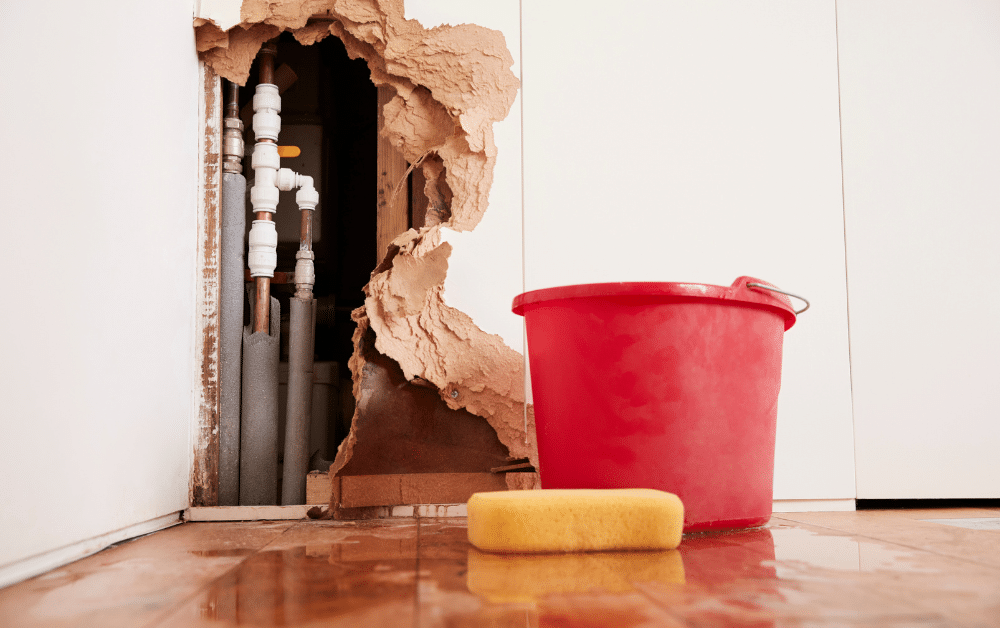
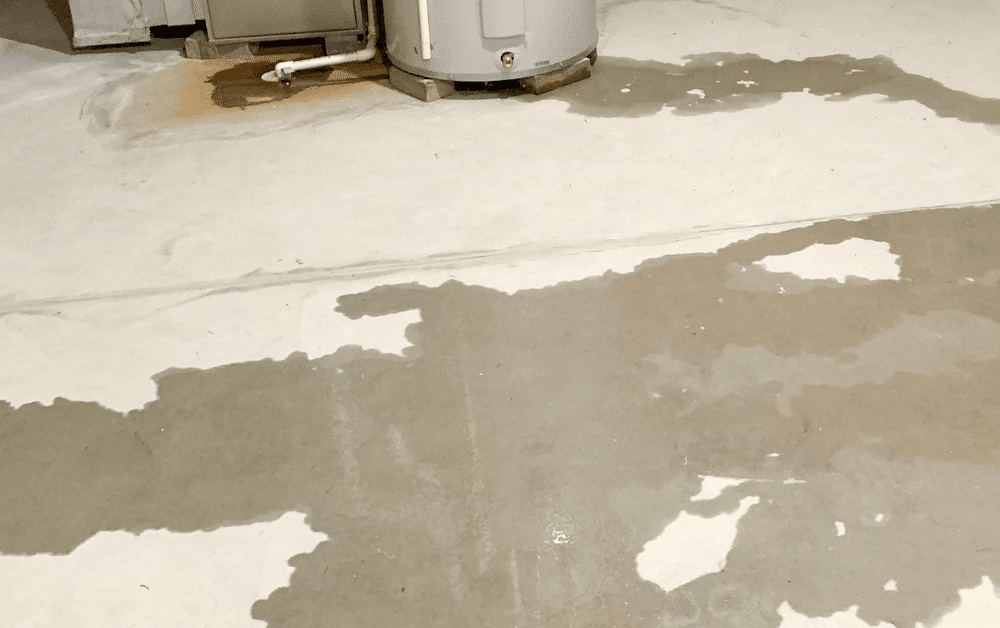
Basements are particularly susceptible to sewage backups, primarily if they house bathrooms or laundry facilities. A malfunctioning sewage pump can quickly lead to flooding, resulting in costly damages and health risks. Water damage in basements can impact property value and create an environment facilitative to mold growth and other harmful substances. Recognizing this vulnerability is crucial for homeowners, as it emphasizes the importance of adequate sewage management. Preventive steps can help safeguard your basement and protect your home’s integrity.
Implementing Protective Measures
Implementing protective measures is essential for maintaining a safe and functional basement. For homes below the sewer line, installing a sewage ejector pump can effectively lift wastewater to the sewer level, providing an extra layer of protection against backups. This pump is a safeguard, ensuring that wastewater is efficiently removed from the basement. Additionally, regular ejector pump maintenance is critical for its longevity and effectiveness. By taking these assertive steps, you can minimize the risk of sewage-related issues in your basement.
Waterproofing and Maintenance
In addition to sewage pumps, waterproofing your basement is crucial for preventing water damage. Effective waterproofing techniques include applying sealants, installing drainage systems, and assuring accurate grading around your home to divert water from the foundation. Routine inspections can help identify potential entry points for water, allowing for timely repairs. Maintaining a dry and safe basement environment is essential for the overall health of your home. Adopting a comprehensive method that integrates sewage management with waterproofing can help prevent flooding and sewage problems in your basement.
Conclusion
Sewage pumps are crucial to any plumbing system, particularly for homes with gravity limitations or septic systems. By understanding their function and taking proactive measures, you can prevent backups, ensure septic efficiency, and protect your home and health. Regular maintenance, proper installation, and a keen eye for potential issues can significantly reduce the risk of sewage-related problems. At MoCo Plumbing, we’re here to help you with all your sewage pump needs, ensuring your system runs smoothly and efficiently.
Don’t hesitate to seek professional advice or assistance—your home’s plumbing system deserves the best care, and we’re here to provide it.