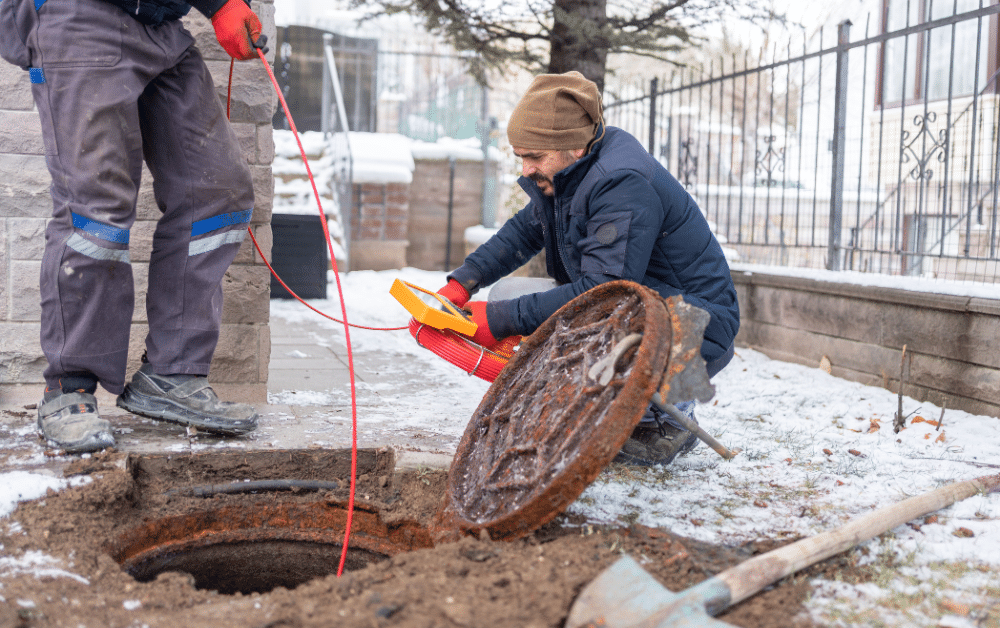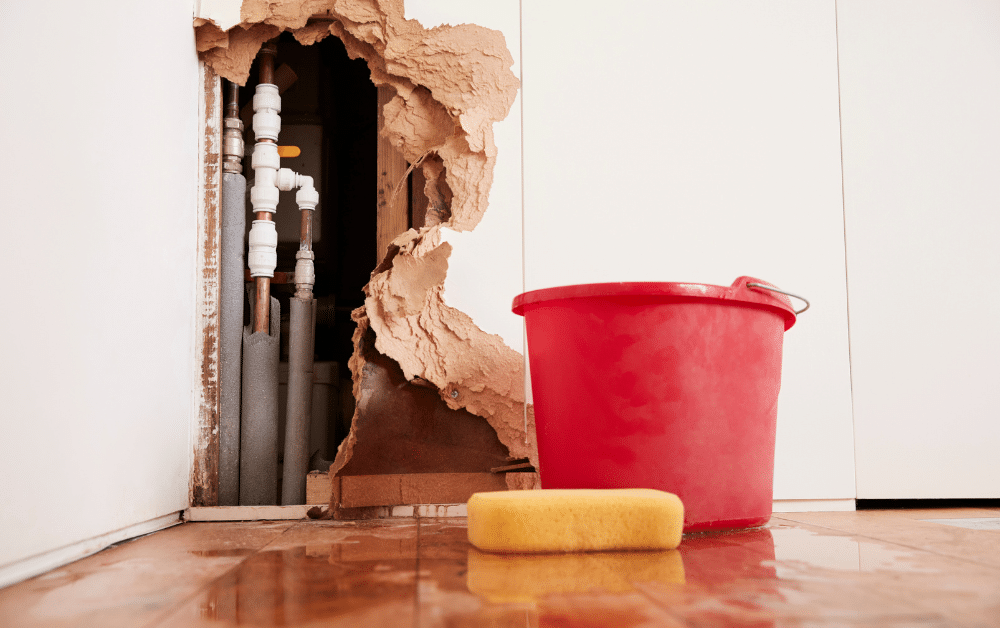
A hidden plumbing issue can quietly cause major damage before homeowners even realize there is a problem. One of the most profound problems a property can face is a slab leak. Because these leaks develop beneath the concrete foundation of a home, they are often difficult to detect without professional help. At MoCo Plumbing, homeowners frequently discover that what seemed like a minor plumbing concern was actually a slab leak causing structural damage, rising water bills, and mold growth behind the scenes. Understanding the warning indications early can help you dodge costly repairs and protect your home from long-term damage.
What Is a Slab Leak?
A slab leak transpires when a water pipe underneath the concrete foundation of a home becomes damaged and starts leaking. Most modern homes are built on concrete slab foundations, and the plumbing lines often run underneath that slab. When one of those pipes cracks, corrodes, or bursts, water begins escaping beneath the home.
Unlike visible plumbing leaks under sinks or behind appliances, a slab leak is hidden beneath layers of concrete. This makes the problem harder to identify and often more damaging over time. The longer a slab leak goes untreated, the greater the risk of foundation issues, flooring damage, mold growth, and costly repairs.
Homeowners should never ignore unexplained moisture, rising utility bills, or unusual sounds in the home. These small warning signs can point to a much larger issue beneath the surface.
Common Causes of a Slab Leak
Understanding what causes a slab leak can help homeowners recognize risk factors before serious damage develops. Several conditions can contribute to underground pipe failure.
Pipe Corrosion
Over time, metal pipes naturally corrode due to chemical reactions between water and the pipe material. Homes with older copper or galvanized pipes are especially vulnerable. Minerals in the water and soil conditions can accelerate this corrosion process, eventually creating tiny holes that grow into larger leaks.
Corrosion often develops slowly, which means homeowners may not notice the warning signs until significant damage has already occurred. Regular plumbing inspections can help detect aging pipes before they fail beneath the slab.
Shifting Soil and Foundation Movement
Soil beneath a home naturally expands and contracts due to moisture changes, weather conditions, and settling. When the foundation shifts, plumbing pipes underneath can become stressed or bent. Over time, this pressure may cause cracks or broken connections.
Areas with frequent temperature changes or heavy rainfall often experience more soil movement. Even minor foundation shifts can place strain on underground plumbing lines and lead to a slab leak.
Poor Installation or Pipe Abrasion
Improperly installed pipes can rub against concrete, gravel, or other materials beneath the slab. This constant friction eventually wears down the pipe surface. Pipes that were bent too tightly during installation may also weaken over time.
In some cases, slab leaks develop because contractors used low-quality materials or failed to properly secure the plumbing system during construction. While homeowners cannot control how a home was originally built, they can monitor for warning signs and schedule routine plumbing evaluations.
Signs of a Possible Slaab Leak
Unexplained Increase in Water Bills
One of the first indications of a slab leak is a sudden increase in your monthly water bill. Even a small underground leak can waste thousands of gallons of water over time. If your water usage habits have not changed but your bill keeps climbing, hidden plumbing problems may be to blame.
Some homeowners dismiss higher utility costs as seasonal changes or billing errors. However, persistent increases often point to a leak somewhere in the plumbing system. A professional plumber can perform leak detection tests to determine whether the issue is coming from beneath the foundation.
Warm or Damp Spots on Floors
If you notice unexpected warm spots on your floor, especially over tile or hardwood surfaces, it may indicate a hot water line slab leak. The escaping hot water warms the concrete and transfers heat upward into the flooring.
Damp carpeting, warped wood, or unexplained moisture can also signal a slab leak. Water trapped beneath flooring materials creates ideal conditions for mold growth and structural damage. Homeowners should never ignore moisture that appears without an obvious source.
Walking barefoot across the floor may help you notice temperature differences or damp areas that would otherwise go undetected.
The Sound of Running Water
Another common sign of a slab leak is the sound of water running when you have no faucets or appliances in use. Because slab leaks occur beneath concrete, the sound often seems muffled or distant. Some homeowners describe it as a faint hiss or rushing sound emitting from the floor or walls.
If you hear water movement after shutting off all plumbing fixtures, it is important to contact a professional plumber promptly. Persistent water sounds can indicate a continuous leak beneath the home.
Low Water Pressure Throughout the Home
A damaged underground pipe can reduce water pressure in sinks, showers, and appliances. When water escapes through a crack beneath the slab, less water reaches the fixtures inside the home.
While low water pressure can result from several plumbing issues, it should never be ignored. Combined with other warning signs like rising bills or damp floors, low pressure strongly suggests a slab leak may be present.
Professional leak detection equipment can pinpoint the location of the problem without unnecessary digging or guesswork.
Cracks in Walls or Flooring
As water accumulates beneath the foundation, it can weaken the structural support of the home. Over time, this may cause cracks in walls, flooring, or the foundation itself.
Small hairline cracks are common in many homes, but growing cracks or uneven flooring should raise concern. Doors that suddenly stick or windows that become difficult to open may also indicate foundation movement caused by a slab leak.
The longer moisture remains beneath the slab, the greater the risk of permanent structural damage.
How Professionals Detect a Slab Leak
Because slab leaks occur beneath concrete, locating the exact source requires specialized equipment and experience. Professional plumbers use advanced leak detection methods to minimize disturbance and avoid excessive damage to the home.
Electronic Leak Detection
Electronic listening devices help plumbers identify the sound frequency created by leaking water beneath the slab. These tools can narrow down the location of the leak without extensive demolition.
Accurate leak detection saves homeowners time and money by reducing the amount of concrete that needs to be removed during repairs.
Pressure Testing
Plumbers may isolate sections of the plumbing system and perform pressure tests to confirm whether a slab leak exists. Pressure drops within the system often indicate hidden pipe damage.
This process helps determine whether the leak affects hot water lines, cold water lines, or multiple sections of plumbing.
Thermal Imaging Technology
Infrared thermal imaging cameras are used to detect temperature changes caused by hidden water leaks. Hot water slab leaks are especially easy to identify using thermal imaging equipment.
Modern leak detection methods allow plumbers to diagnose problems with greater precision while minimizing disruption to flooring and foundations.
Why You Should Never Ignore a Slab Leak
Overlooking a slab leak can lead to serious and expensive consequences. What begins as a minor crack in a pipe can quickly escalate into widespread structural and water damage.
Water beneath the foundation can erode soil, weaken concrete, and compromise the stability of the home. Flooring materials may warp or crack, while walls and ceilings develop moisture damage. Mold growth can spread rapidly through hidden spaces, affecting indoor air quality and creating costly remediation needs.
A slab leak also wastes a tremendous amount of water. Even a minor leak running continuously can significantly increase monthly utility bills.
Addressing the issue early is almost always less expensive than waiting until major repairs become necessary.
Slab Leak Repair Options
Once a slab leak has been identified, plumbers may recommend different repair methods depending on the location and severity of the damage.
Spot Repairs
For isolated leaks in accessible areas, plumbers may open a small section of the slab and repair the damaged pipe directly. This method works best when the rest of the plumbing system remains in good condition.
Pipe Rerouting
If pipes beneath the slab are aging or multiple leaks are likely, rerouting plumbing lines may be a more reliable long-term solution. This approach redirects pipes through walls or ceilings instead of beneath the foundation.
Full Repiping
Older homes with widespread corrosion may benefit from complete repiping. While this is a larger investment, it can prevent recurring slab leak issues and improve overall plumbing performance.
An experienced plumbing professional can recommend the most practical solution based on the state of the home and plumbing system.
Preventing Future Slab Leaks
Scheduling routine plumbing inspections helps identify pipe wear and early warning signs before leaks develop. Monitoring water pressure is also important because excessively high pressure can strain pipes over time.
Homeowners should pay attention to unusual sounds, moisture, or utility bill increases instead of dismissing them. Early action remains one of the best ways to minimize damage and repair costs.
Installing a water monitoring system can also help detect leaks sooner and provide alerts when abnormal water usage occurs.
Conclusion
A slab leak can easily turn into a serious plumbing issue for a homeowner because the damage often develops silently beneath the foundation. Identifying the warning manifestation early can help prevent structural issues, mold growth, expensive water damage, and rising utility bills. From damp floors and low water pressure to unexplained water sounds and foundation cracks, these symptoms should never be ignored.
If you suspect a slab leak in your home, professional leak detection and repair services are essential. The experienced team at MoCo Plumbing can accurately identify the source of the problem and recommend trustworthy repair solutions to protect your home and plumbing system.
Take fast action and contact MoCo Plumbing today to avoid major repairs and costly damage tomorrow.