Your home’s sewer system is often out of sight and out of mind until something goes wrong. Yet, it plays a crucial role in maintaining the cleanliness and functionality of your property. When issues arise with your sewer line, it can lead to a host of problems, from foul odors to sewage backups. In this guide, we’ll explore the signs that indicate it’s time for a sewer replacement and what you can do about it. As experts in sewer replacement services, MoCo Plumbing is here to help you address any sewer line issues you may encounter.
Understanding Your Sewer System
Before delving into the signs of sewer line problems, it’s essential to understand the basics of your sewer system. Your sewer line is responsible for transporting wastewater from your home to the municipal sewer system or septic tank. It consists of underground pipes that connect various fixtures in your home, such as toilets, sinks, and showers, to the main sewer line.
Regular maintenance is key to keeping your sewer system in good working condition. Over time, factors like tree root intrusion, soil shifting, and corrosion can compromise the integrity of your sewer line, leading to leaks, clogs, and other issues.
Signs It’s Time for a Sewer Replacement
1. Foul Odors:
One of the most noticeable signs of sewer line problems is foul odors emanating from your drains or yard. These odors are often reminiscent of rotten eggs and indicate the presence of sewage gases escaping from the sewer line. If you detect foul odors indoors or notice an unpleasant smell lingering in your yard, it’s essential to investigate the cause promptly.
Sewer odors can result from various issues, including cracked or deteriorating sewer pipes, blockages, or even dry P-traps. Ignoring foul odors can lead to health hazards and further damage to your sewer system.
2. Slow Drains:
Another common indicator of sewer line issues is slow drainage throughout your home. If you notice that water is draining slowly from sinks, showers, or toilets, it could signal a blockage or partial obstruction in the sewer line.
Slow drains are often caused by the buildup of grease, hair, soap scum, and other debris in the pipes. However, if multiple fixtures in your home are experiencing slow drainage simultaneously, it’s likely a sign of a more significant sewer line problem that requires attention.
3. Multiple Clogged Fixtures:
Clogged drains are a nuisance that most homeowners encounter from time to time. However, if you’re experiencing clogs in multiple fixtures simultaneously, such as toilets, sinks, and showers, it could indicate a blockage or damage in the main sewer line.
When the main sewer line becomes compromised, wastewater from various fixtures has nowhere to go, leading to backups and clogs throughout the home. Addressing these issues promptly is crucial to prevent further damage and restore proper drainage.
4. Sewage Backups:
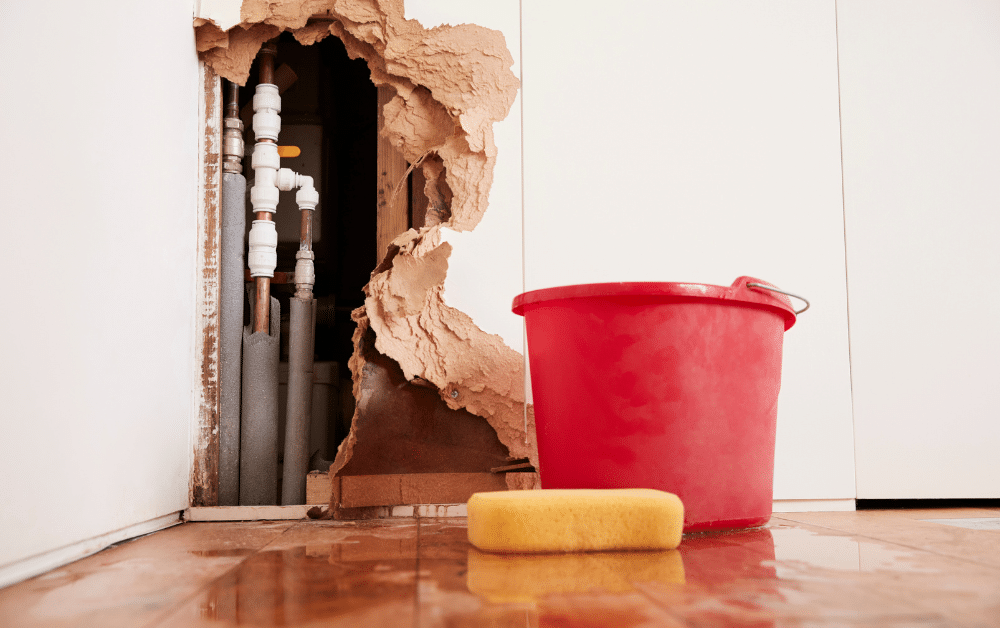
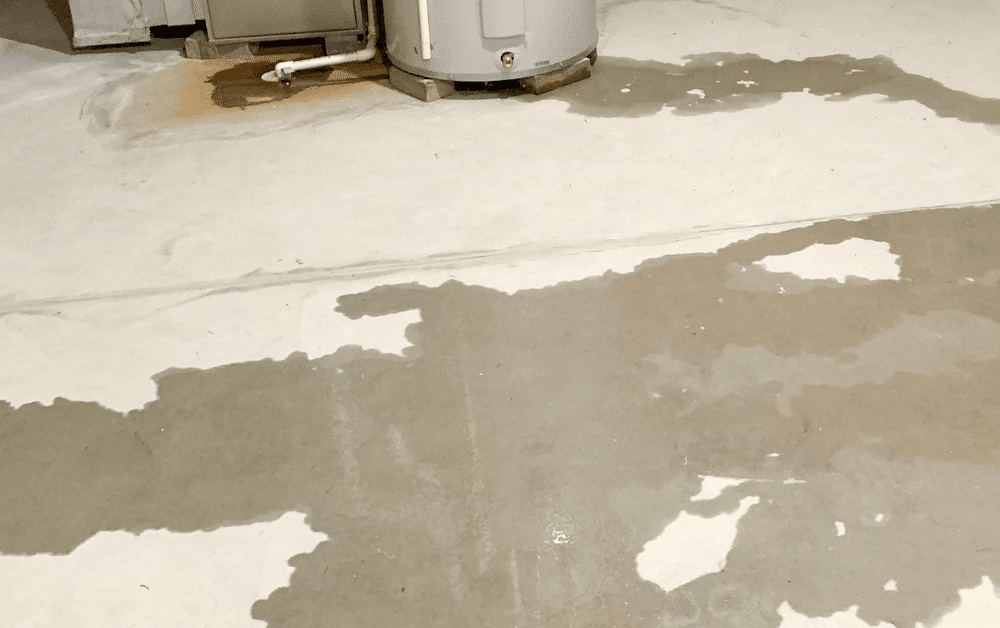
Perhaps the most alarming sign of sewer line problems is sewage backups in your home. A sewage backup occurs when wastewater from the sewer line flows back into your home through drains, toilets, or other fixtures.
Sewage backups pose serious health risks and can cause extensive property damage if not addressed promptly. Common causes of sewage backups include sewer line blockages, tree root intrusion, and sewer line collapse. If you experience a sewage backup in your home, it’s imperative to seek professional help immediately.
5. Lush Patches of Grass:
While it may seem counterintuitive, lush patches of grass in your yard can indicate underlying sewer line issues. Sewage leaks underground provide a nutrient-rich environment for grass and plants, leading to unusually green and lush areas in your yard.
If you notice areas of your lawn that are significantly greener or healthier than the surrounding grass, it could be a sign of a sewer line leak. Investigating these areas can help identify potential sewer line problems before they escalate.
What to Do If You Notice These Signs
If you observe any of the signs mentioned above, it’s crucial to take action promptly to address the issue. Ignoring sewer line problems can lead to further damage, costly repairs, and health hazards for you and your family. Here’s what you can do:
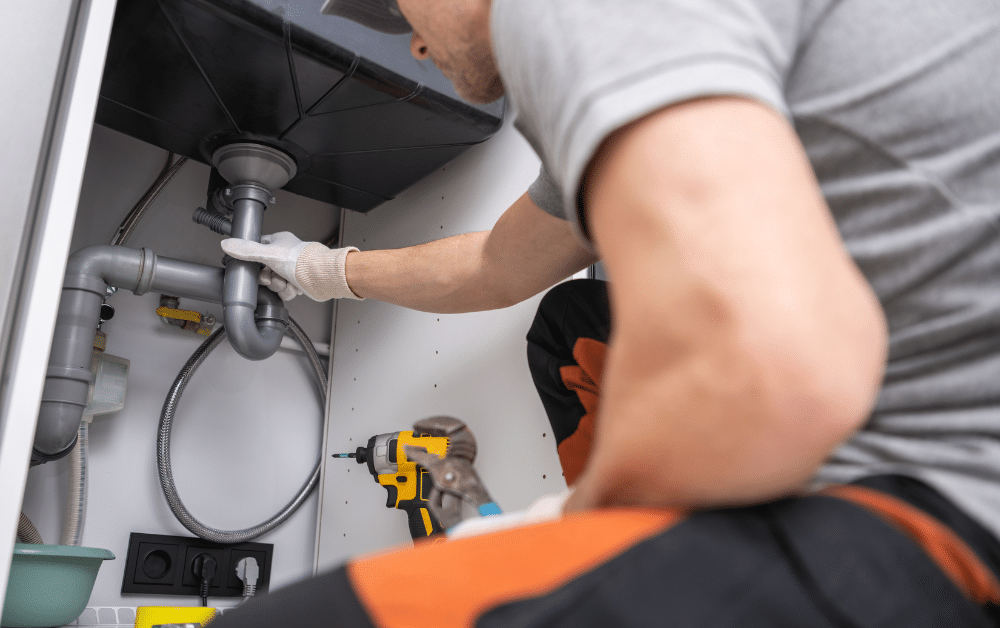
- Contact a Professional Plumber: If you suspect sewer line issues based on the signs mentioned, it’s essential to contact a licensed plumber for inspection and diagnosis. A qualified plumber can assess the condition of your sewer line and recommend the appropriate course of action.
- Consider Sewer Replacement: Depending on the extent of the damage to your sewer line, sewer replacement may be necessary to restore proper functionality. A professional plumber can advise you on the best course of action based on your specific situation.
- Take Preventive Measures: To minimize the risk of future sewer line issues, consider implementing preventive measures such as regular sewer line inspections, proper disposal of household waste, and avoiding planting trees near sewer lines.
Ready to Address Your Sewer Line Issues?
Your sewer system is a vital component of your home’s infrastructure, and recognizing the signs of sewer line problems is essential for maintaining its functionality and preventing costly damage. If you notice foul odors, slow drains, multiple clogged fixtures, sewage backups, or lush patches of grass in your yard, it may be time to consider sewer replacement.
At MoCo Plumbing, we specialize in sewer replacement services and are here to assist you with any sewer line issues you may encounter. Don’t hesitate to contact us for professional assistance and peace of mind knowing that your sewer system is in good hands.