Water pressure is a crucial component of any home plumbing system. It ensures water flows smoothly through pipes and reaches all necessary fixtures, from showers to sinks. However, maintaining the correct water pressure is essential to prevent damage to your plumbing and ensure the efficiency of your water usage. This is where water pressure regulators come into play. These devices help control and stabilize water pressure, protecting your plumbing system and enhancing home comfort. In this blog, we’ll delve into the importance of water pressure regulators and how to maintain them.
Understanding Water Pressure Regulators
What is a Water Pressure Regulator?
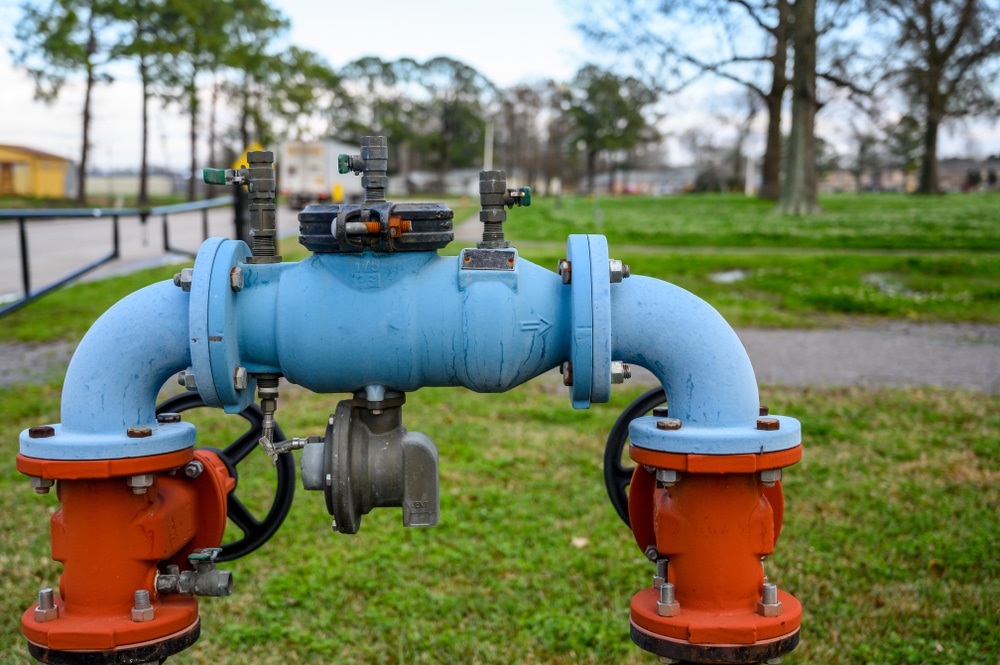
A water pressure regulator is a valve that reduces the water pressure from the main water line to a safe and usable level for your home’s plumbing system. It ensures that the pressure is consistent and within a range that won’t cause damage to your pipes, fixtures, or appliances. Typically installed where the main water line enters the home, this device is crucial for maintaining the integrity of your plumbing system.
Benefits of Using a Water Pressure Regulator
Water pressure regulators offer several benefits that make them indispensable in modern plumbing systems. First and foremost, they protect your plumbing fixtures from the damaging effects of high water pressure. Excessive pressure can cause leaks, burst pipes, and wear out appliances faster than usual. Additionally, by maintaining optimal water pressure, these regulators help reduce water wastage, leading to lower utility bills and a more environmentally friendly home. Furthermore, consistent water pressure enhances home comfort, ensuring enjoyable showers and appliances function correctly.
Signs of Water Pressure Issues
High Water Pressure Symptoms
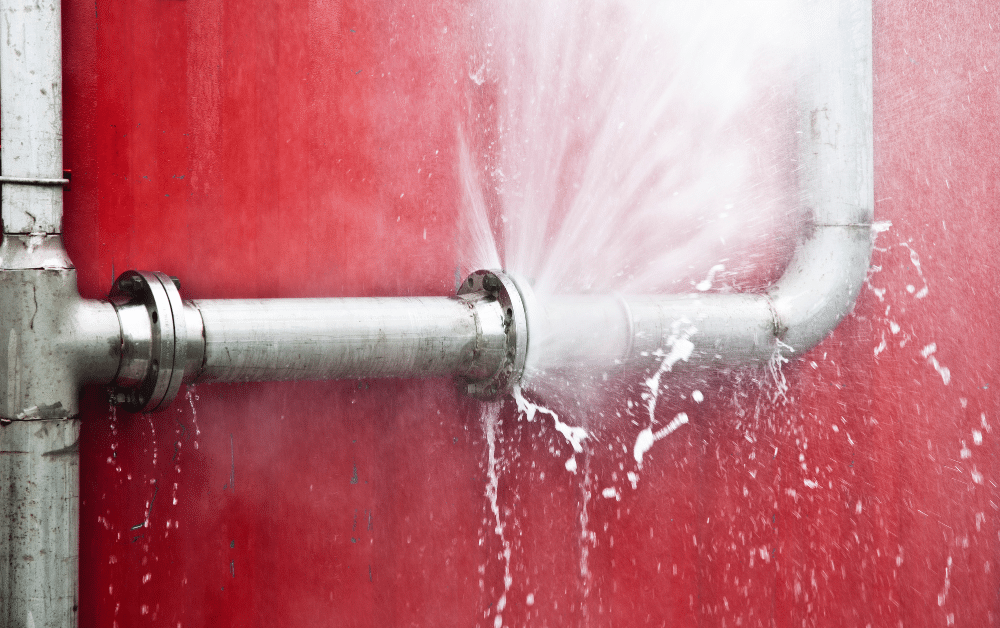
High water pressure can manifest in various ways within a home. One of the most noticeable signs is banging or knocking noises in the pipes, often called “water hammer.” This occurs when high-pressure forces water to stop or change direction suddenly. Another symptom is frequent leaks or burst pipes, as the excessive pressure strains joints and fittings. You might also notice that your appliances, such as washing machines or dishwashers, wear out faster than expected. High water pressure can cause toilets to run constantly or faucets to drip persistently.
Low Water Pressure Symptoms
On the other hand, low water pressure can be equally frustrating and problematic. Common indicators include weak water flow from faucets and showerheads, making daily tasks like showering and washing dishes inefficient and time-consuming. Low pressure can also result in appliances that rely on water, such as washing machines and dishwashers, not operating correctly. Another sign is the slow filling of tanks, such as those in toilets or water heaters. Low water pressure can stem from various issues, including clogged pipes, leaks, or problems with the main water supply.
Maintaining Your Water Pressure Regulator
Regular Inspection and Testing
Maintaining your water pressure regulator is crucial to ensure it functions correctly and prolongs its lifespan. Regular inspections and testing should be part of your routine home maintenance. Start by visually inspecting the regulator for wear, damage, or corrosion. Next, use a water pressure gauge to check the pressure level in your system. Attach the gauge to a hose bib or faucet and open the valve. Most homes should have a pressure reading between 40-60 psi (pounds per square inch). Your regulator may need adjustment or replacement if the reading is outside this range.
Troubleshooting Common Problems
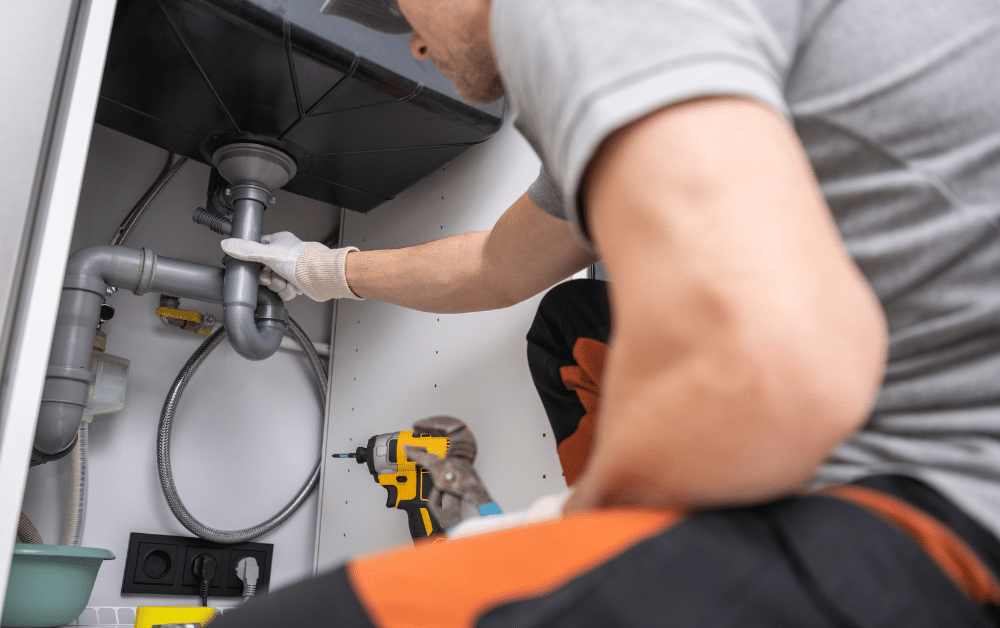
Despite regular maintenance, water pressure regulators can encounter issues that require troubleshooting. Common problems include fluctuating water pressure, leaks around the regulator, or device failure. If you notice any of these issues, check for blockages or debris in the regulator, which can impede its function. Cleaning or replacing clogged components can often resolve the problem. If the regulator itself is faulty, it may need to be replaced. In such cases, or if you’re unsure how to proceed, it’s best to consult a professional plumber to ensure the job is done correctly and safely.
Conclusion
Maintaining proper water pressure is vital for the health of your plumbing system and the comfort of your home. Water pressure regulators are critical in achieving this balance by ensuring consistent and safe water pressure levels. Regular maintenance, including inspections and troubleshooting, can help extend the life of your regulator and prevent costly plumbing issues. If you’re experiencing water pressure problems or need clarification on your water pressure regulator’s state, contact MoCo Plumbing for assistance. Our team of experts is here to ensure your home’s plumbing system remains efficient, safe, and reliable.