Winter brings a wide range of challenges for homeowners, especially when temperatures dip low enough to threaten the integrity of household plumbing systems. Frozen pipes can lead to costly repairs, significant water damage, and disruptions to daily routines, making proactive care a necessity. MoCo Plumbing emphasizes the importance of effective plumbing maintenance during cold weather to keep your home protected from freeze-related complications. By understanding how cold temperatures affect your pipes and implementing a few strategic steps, you can significantly reduce the risk of plumbing failures throughout the season. Preparing early and staying vigilant ensures your home remains safe, warm, and fully functional when winter weather intensifies.
Insulating Exposed Pipes
Why Insulation Helps Prevent Freeze-Related Damage
Shielding exposed pipes with insulation is a particularly effective method of winter plumbing maintenance because it adds a layer of temperature protection where it’s needed most. Pipes placed in sections of the home that stay cold due to insufficient insulation, such as basements and crawl spaces, lose heat quickly when cold air moves in. This rapid loss of warmth leaves water in the pipes susceptible to freezing and expanding. By applying quality insulation materials, you help stabilize the temperature inside the pipes and shield them from frigid conditions. This simple step reduces the likelihood of pipe bursts and the costly repairs that follow.
Where Pipes Are Most Vulnerable
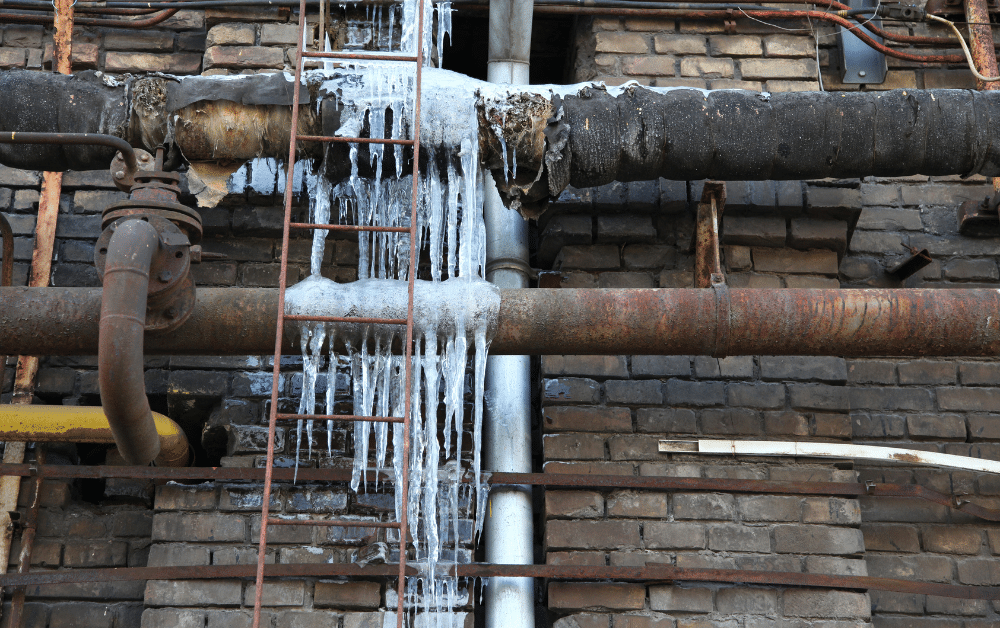
Pipes in garages, attics, and exterior wall cavities are most at risk of freezing during cold spells. These areas often lack sufficient insulation and can experience rapid temperature drops. Regularly inspecting these zones allows you to identify and insulate high-risk pipes early, preventing damage before temperatures fall further. Addressing these areas proactively keeps your plumbing protected all winter.
How Foam Sleeves and Heat Tape Make a Difference
Foam pipe sleeves and heat tape provide targeted temperature control, keeping exposed pipes warm even in icy conditions. Foam sleeves help retain the natural heat within the pipes, while heat tape provides consistent external warmth that prevents water from solidifying inside the lines. Both solutions are easy to install and highly effective for areas prone to sudden temperature shifts. Adding these materials to vulnerable plumbing lines creates an additional safety buffer that significantly reduces freeze-related risks. Incorporating these tools into your winter plumbing maintenance plan ensures long-term protection.
Properly Sealing Air Leaks
How Cold Drafts Threaten Your Plumbing
Cold drafts can cause rapid temperature drops around your plumbing, increasing the likelihood of frozen pipes. Even well-protected pipes can freeze if exposed to a sudden influx of frigid air. When gaps and cracks form around windows, doors, and exterior walls, outdoor air can enter and expose pipes to unsafe conditions. Addressing these vulnerabilities is essential to creating a warmer, more stable environment for your plumbing. Sealing air leaks is one of the easiest and most effective ways to reduce freeze-related plumbing risks.
Common Areas Where Air Leaks Occur
Air leaks often appear along doorframes, window sashes, basement rim joists, and sill plates where the home naturally settles over time. These openings may seem small, but they can allow considerable cold-air intrusion during winter storms or temperature drops. Plumbing lines near these areas are susceptible to sudden exposure to cold. Locating gaps by inspecting these parts of your home helps you identify where sealing is needed most. Addressing these areas ensures indoor conditions stay warmer and more controlled.
How Sealing Improves Overall Plumbing Protection
Applying caulk, expanding foam, or weatherstripping not only improves energy efficiency but also safeguards your plumbing system. These materials block cold air from reaching vulnerable pipes, reducing the risk of freezing when temperatures fall sharply. Improved insulation helps maintain consistent indoor temperatures, making your plumbing more resilient throughout winter. By reducing cold-air infiltration, you create a more stable environment that supports better plumbing maintenance. This step enhances overall home protection and contributes to long-term efficiency.
Maintaining Consistent Indoor Heating
Why Temperature Consistency Matters
Maintaining steady indoor heating is a critical component of winter plumbing maintenance because fluctuating temperatures increase the risk of frozen pipes. When indoor heat levels drop too low, especially overnight or during absences, water in pipes can freeze quickly. Keeping your thermostat at a stable setting helps prevent this temperature decline. This is particularly important for plumbing lines located in areas with minimal insulation. Consistent heating ensures your plumbing system stays warm and operational throughout the season.
The Role of Thermostat Settings
Even if you plan to leave home for extended periods, keeping your thermostat set no lower than 55°F prevents the interior temperature from dropping too close to freezing. This level of warmth keeps water in your pipes moving, reducing the risk of solidification. When combined with proper insulation and sealed air leaks, temperature control becomes a strong protective measure. Many homeowners overlook thermostat adjustments, but this simple practice is one of the most effective preventive steps. Maintaining appropriate heating helps protect both your plumbing and your home.
Protecting Plumbing Near Exterior Walls
Pipes situated along exterior walls are exposed to colder temperatures and can freeze faster than those in interior spaces. Even well-heated homes may struggle to keep these pipes warm during extreme cold spells. Improving insulation behind these walls or adding supplemental heat sources can help maintain safe temperatures. Monitoring these areas during winter ensures issues are caught before they escalate. Giving extra attention to exterior-wall plumbing supports a comprehensive approach to freeze prevention.
Letting Faucets Drip
How a Dripping Faucet Prevents Freezing
Keeping a gentle drip going from vulnerable faucets during harsh winter temperatures is an effective way to relieve internal pressure in your plumbing system. As water freezes, it expands, creating pressure that can cause pipes to burst. Keeping water moving through the system, even at a slow drip, helps prevent this buildup. This method also keeps your pipes slightly warmer as flowing water transfers heat energy through the line. It is a simple, low-cost technique that provides a strong defense against winter plumbing issues.
Why Vulnerable Faucets Require Extra Attention
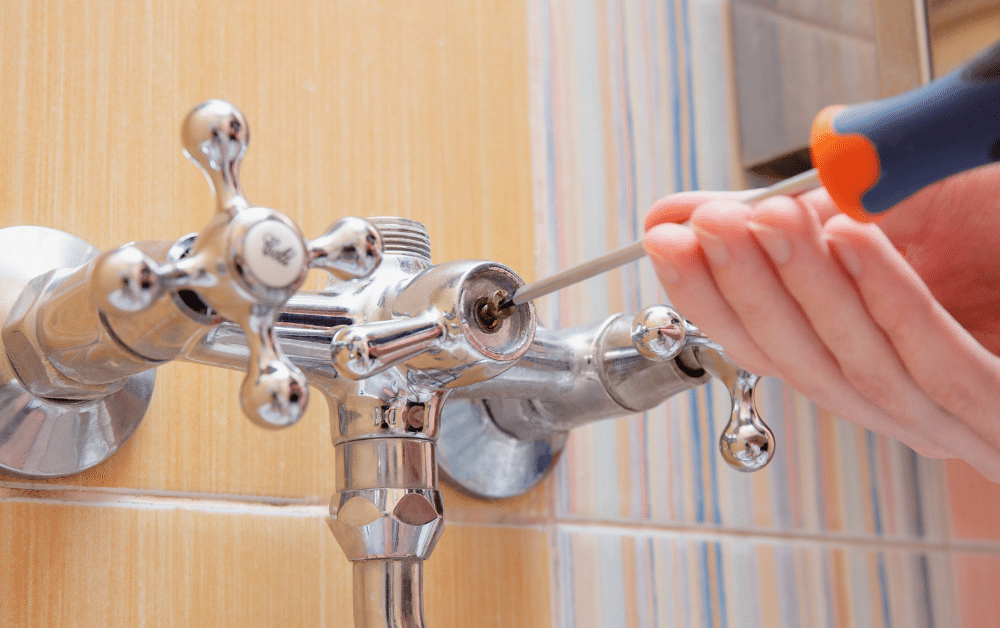
Faucets connected to plumbing lines in unheated or drafty areas require more frequent monitoring during cold weather. These lines are more likely to freeze when temperatures drop suddenly. Running a drip through these specific faucets helps maintain water movement and reduces the risk of freezing. Homeowners should pay special attention to kitchen sinks, bathroom lines along exterior walls, and utility sinks located in cold spaces. Targeting high-risk faucets strengthens your overall winter plumbing maintenance plan.
Long-Term Benefits of This Preventive Practice
While dripping faucets may slightly increase water usage, the cost is significantly less than repairing a burst pipe. This simple practice protects vulnerable plumbing lines and helps avoid significant damage to flooring, insulation, and walls. It also contributes to the overall stability of your plumbing during harsh weather. Incorporating this habit into your winter routine provides peace of mind and ongoing freeze protection. Continuously moving water remains one of the best tools for preventing pipe bursts.
Shutting Off and Draining Outdoor Water Lines
Why Exterior Lines Are Highly Vulnerable
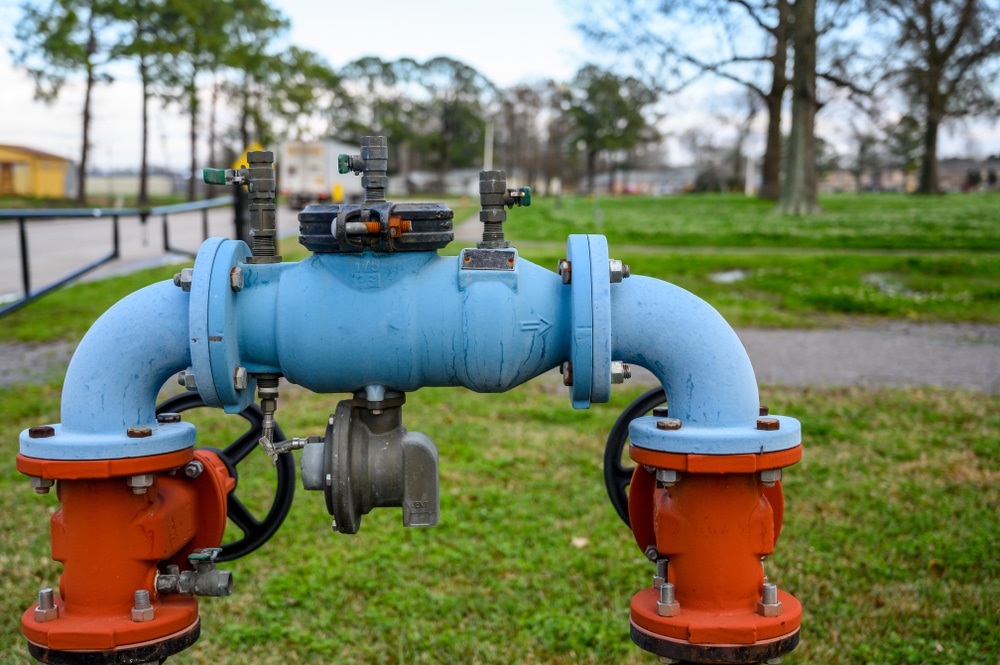
Outdoor water lines face the harshest winter conditions because they are fully exposed to freezing temperatures. Hose bibs, exterior faucets, and irrigation systems often contain small amounts of standing water after use. This remaining water can freeze quickly once temperatures drop, leading to burst pipes and flooding. Turning off and draining outdoor lines ensures no water remains to freeze and expand. Addressing these exterior components protects both your plumbing system and surrounding structures.
Steps for Properly Draining Exterior Lines
Disconnecting and storing garden hoses prevents trapped water from freezing inside them and backing up into your plumbing lines. Once hoses are removed, shutting off the interior valve that supplies the exterior faucet helps stop water from entering the line. Opening the outdoor faucet allows any remaining water to drain thoroughly, reducing the risk of freezing. Irrigation systems should also be blown out or professionally winterized to remove internal water. These steps create a strong layer of protection against cold-weather damage.
How This Prevents Extensive Damage
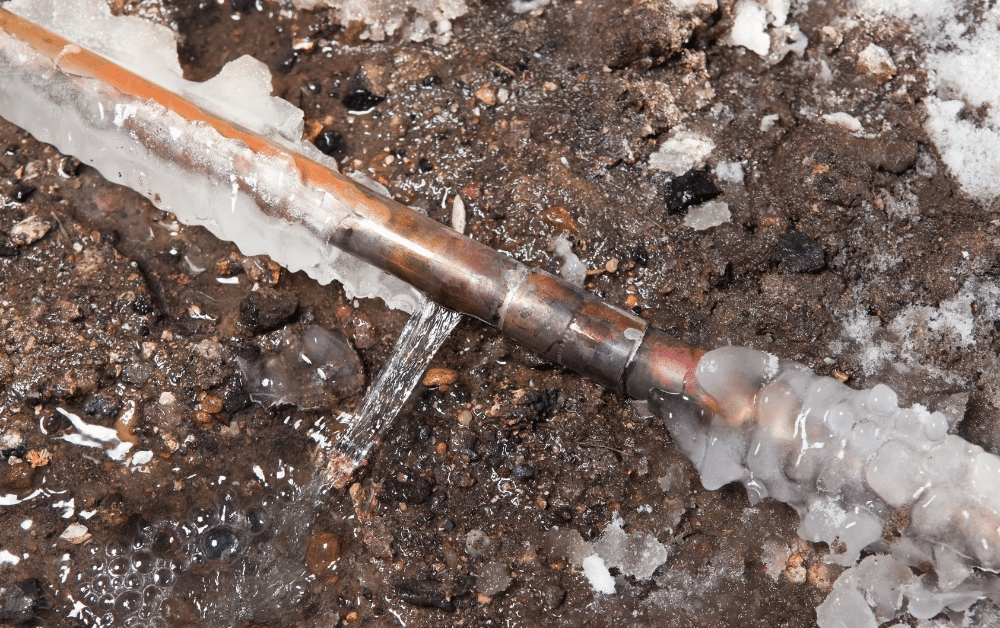
A frozen outdoor line can cause structural damage, foundation issues, and flooding once temperatures rise and the pipe thaws. Ensuring that all exterior water sources are properly drained reduces the risk of costly repairs. Addressing these elements before winter storms arrive helps reinforce the dependability and protective function of your plumbing system. Preventive maintenance enables you to avoid emergencies that could disrupt your home during peak winter conditions. Protecting exterior lines supports long-term plumbing system health.
Conclusion
Taking proactive steps to protect your plumbing during winter is essential for preventing frozen pipes, costly repairs, and unexpected disruptions. From insulating vulnerable pipes to maintaining steady indoor temperatures and draining outdoor water lines, each measure contributes to a stronger and more resilient plumbing system. MoCo Plumbing encourages homeowners to stay ahead of winter weather by practicing thorough plumbing maintenance that safeguards their home from freeze-related issues. Addressing concerns early ensures that your water supply remains reliable and stress-free throughout the coldest months.
Contact MoCo Plumbing todayto schedule a winter plumbing inspection and keep your home protected all season long.