It’s after hours, your sink is acting up, and you’re terrified that calling a plumber right now will cost you a fortune. Should you pay for emergency service, or can the problem safely wait until morning? The answer depends on more than how annoying the clog is. Let’s figure out whether you can reasonably wait or whether delaying repairs could cost you thousands more in property damage. MoCo Plumbing understands that homeowners need honest answers, not unnecessary expenses. The goal is to help you make an educated decision based on the severity of the problem, the risk to your home, and the potential cost of waiting.
The good news is that not every clogged drain requires an emergency call. A slow guest bathroom sink may be perfectly fine to leave until the next business day. However, wastewater backing up through several drains, a rapidly rising water level, or a drain problem accompanied by an active leak can signal a much more serious situation.
Why the Difference Between a Drain Emergency and a Routine Clog Matters
Drain problems rarely happen at convenient times. A kitchen sink might stop draining during dinner, a shower could fill with water just before bed, or a basement floor drain might suddenly release foul-smelling wastewater in the middle of the night.
When these problems happen outside normal business hours, homeowners face two competing concerns. First, they want to avoid paying emergency service rates. Second, they do not want a manageable plumbing problem to turn into a flooded room, damaged flooring, or an expensive cleanup.
Both concerns are reasonable. Emergency plumbing visits may involve after-hours fees, minimum service charges, or different labor rates. The exact cost depends on the plumbing company, the time of the call, and the work required. A routine appointment may be less expensive if the problem is stable and can safely wait.
However, the initial service fee is only one part of the financial picture. If a blockage causes wastewater to overflow overnight, the resulting damage may cost substantially more than the emergency visit. The smartest decision is not always choosing the cheapest immediate option. It is choosing the option that minimizes the total cost and risk.
When a Drain Problem Can Usually Wait Until Morning
A next-day appointment is often reasonable when the problem affects one fixture, there is no active flooding, and you can stop using that fixture without disrupting essential plumbing throughout the home.
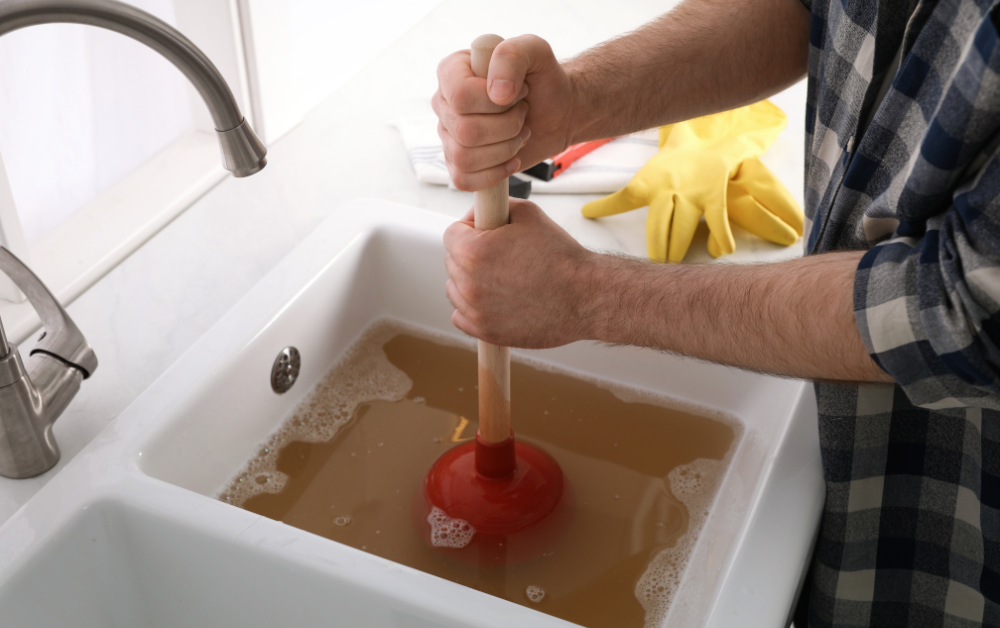
For example, imagine that the sink in a guest bathroom drains slowly after someone washes their hands. The water eventually disappears, there are no unusual smells, and the nearby toilet and shower work normally. If you can leave the sink unused overnight, there may be little reason to pay for emergency drain services.
The same principle applies to a relatively minor kitchen sink clog that stops draining but does not overflow, provided there are no signs of a larger drainage problem. You may be able to avoid using that sink until a plumber can assess it during regular business hours.
Common Problems That May Be Suitable for a Next-Day Visit
A routine appointment may be appropriate when you experience:
- A single slow-draining sink with no backup elsewhere in the home.
- A clogged guest bathroom sink or shower that can remain unused overnight.
- A minor blockage that has stopped worsening and is not causing water to overflow.
- A localized drain issue with no sewage odor, leaking pipes, or visible property damage.
These examples are not guarantees that a problem is harmless. They are indicators that the situation may be manageable without immediate dispatch when the affected fixture can be taken out of service.
Pay attention to changes, too. A slow sink that suddenly stops draining completely may still be a localized issue, but a new gurgling sound from the toilet or water rising in another drain changes the situation. If additional fixtures begin acting strangely, reassess rather than automatically waiting for the morning appointment.
When a Drain Problem Becomes an Emergency
The clearest warning sign is a problem that extends beyond one fixture or creates an immediate risk of water damage, contamination, or unsafe conditions.
A single clogged drain usually affects one plumbing outlet. A main drain or sewer line blockage can interfere with wastewater leaving multiple fixtures. Because those fixtures share portions of the drainage system, water from one part of the home may back up through another.
This is why a toilet that bubbles when the washing machine drains, wastewater appearing in a bathtub, or several drains backing up at the same time deserves prompt attention. These symptoms can indicate a blockage farther down the system rather than a simple clog near one fixture.
The Warning Signs You Should Never Ignore
A drain problem deserves urgent professional assessment when you notice:
- Multiple fixtures backing up: Toilets, showers, sinks, or floor drains are affected at the same time, particularly when wastewater is coming back into the home.
- Sewage entering living spaces: Foul-smelling wastewater is overflowing from a drain or spreading across a bathroom or basement floor.
- Active flooding: Water is continuing to rise, spreading into finished areas, or threatening walls, flooring, electrical equipment, or belongings.
- A suspected sewer line blockage: Several fixtures are draining poorly, toilets are gurgling, or using one fixture causes water to appear in another.
- A leak that cannot be contained: Water is escaping from a pipe or plumbing connection and cannot be stopped using a safe, accessible shutoff.
These situations can worsen while you wait. Contact a plumber at MoCo Plumbing for emergency drain services and clearly explain the symptoms. If the problem involves sewage or water near electrical equipment, stay out of the affected area and prioritize safety. Do not enter standing water to reach a shutoff or unplug an appliance.
The Real Cost of Waiting: Emergency Fees vs. Property Damage
To decide whether to call now or wait, compare the potential cost of an emergency visit with the possible consequences of leaving the problem untreated.
An emergency drain services appointment may cost more than a standard visit because of after-hours labor, dispatch charges, or the need for specialized equipment. Before authorizing work, ask the company to explain its service-call fee, any additional after-hours charges, and whether the diagnostic fee is separate from the repair.
That information helps you understand the immediate financial commitment. However, you should also consider what could happen if the problem continues overnight.
A stable clog in an unused guest bathroom may create very little additional risk over several hours. A main sewer line backup, on the other hand, can continue introducing contaminated water into the home whenever someone uses a connected fixture. Water may soak into carpet padding, seep beneath flooring, damage drywall, or affect stored belongings. Sewage contamination may also require specialized cleaning and disposal.
The final bill can include more than plumbing repairs. Depending on the severity of the incident, you might face water extraction, disinfection, building-material removal, drying equipment, and restoration work.
There is no universal dollar amount that determines when emergency service becomes worthwhile. The financial calculation depends on the source of the water, how quickly it is spreading, the affected materials, and whether the situation can be safely contained.
The key question is whether waiting increases the damage. If the problem is stable and isolated, postponing the visit may be financially sensible. If wastewater is actively entering the home, paying for prompt assessment may help prevent a much larger loss.
What to Do While You Decide Whether to Call
The best way to control costs is to avoid making the problem worse while you assess its severity. You do not need to diagnose the plumbing system yourself, but you can take reasonable precautions.
Practical Steps to Protect Your Home
If you are dealing with a drain problem after hours, follow these steps:
- Stop using the affected fixture.
- If one sink or shower is clogged, leave it unused. If several fixtures are backing up, stop using water throughout the home until a plumber advises you otherwise.
- Watch for signs that the problem is spreading.
- Check from a safe, dry location for rising water, unusual odors, bubbling toilets, or water appearing in other drains.
- Avoid aggressive DIY methods.
- Do not repeatedly flush a backed-up toilet, force tools into a drain, or use chemical drain cleaners that could create hazards or damage plumbing.
- Protect people and pets from contaminated water.
- Keep them away from sewage and avoid touching or attempting to clean contaminated areas without appropriate protection.
- Gather useful information for the plumber.
- Note which fixtures are affected, when the issue started, whether water is rising, and what happens when other fixtures are used.
- Ask about pricing before authorizing nonurgent work.
- Request an explanation of the emergency drain services fee, diagnostic charges, and expected next steps. If there is active flooding or sewage exposure, do not delay seeking help just to compare routine appointment prices.
These steps give you a clearer picture of the situation while reducing the chance of additional damage. They also help the plumber determine whether the problem is likely to involve a branch drain, a single fixture, or the main sewer line.
What to Expect When You Call for Emergency Drain Services
Calling for emergency help does not mean you have automatically agreed to every repair the plumber might recommend. A reputable professional should explain the problem, discuss the available options, and provide pricing information before proceeding with additional work, subject to the immediate safety needs of the situation.
During the initial conversation, the plumber may ask whether one or multiple fixtures are affected, whether wastewater is present, and whether the problem is getting worse. Your answers help the company assess urgency and determine what equipment may be needed.
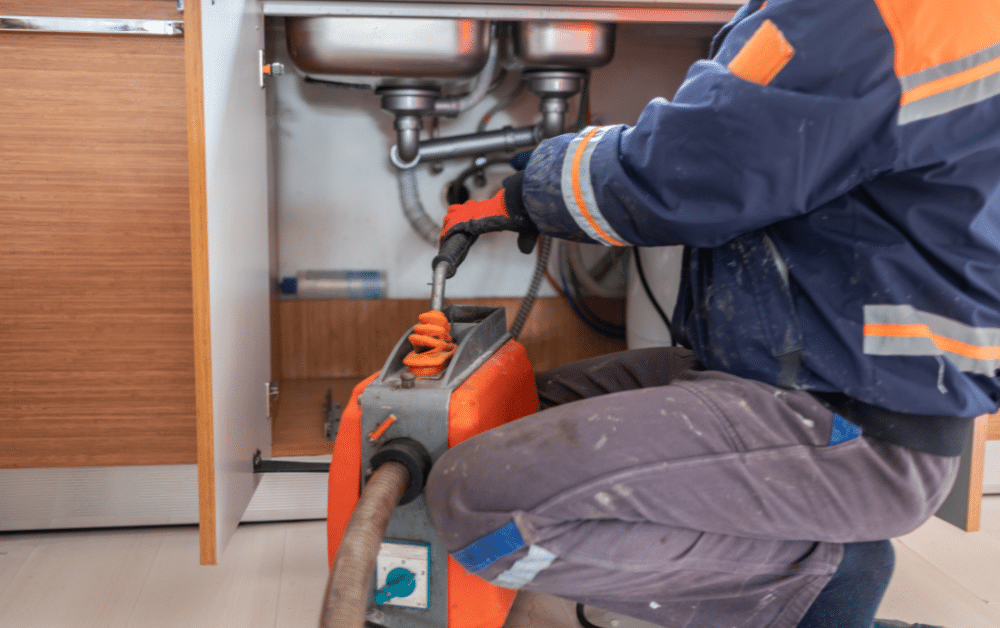
Once on-site, the plumber can inspect the affected fixtures and drainage system, identify the likely location of the blockage, and determine an appropriate clearing method. Depending on the findings, this may involve mechanical drain cleaning, inspection through a cleanout, or a sewer camera to look for roots, pipe damage, or recurring obstructions.
If the problem is limited to one fixture, the repair may be relatively straightforward. If the main sewer line is blocked or damaged, additional work may be necessary. The important point is that the plumber should explain what has been found and distinguish between the immediate repair and any recommended preventive work.
When comparing emergency drain services, look for clear communication about fees, the scope of work, and any additional charges. You should feel comfortable asking questions before approving repairs.
How to Avoid Paying for Another Emergency
Once your drain is working again, a little prevention can help decrease the risk of future problems. Keep grease, oils, coffee grounds, and food scraps out of kitchen drains. Do not flush wipes, paper towels, or hygiene products, even if packaging describes them as flushable. These materials can contribute to stubborn blockages.
If multiple fixtures have backed up or the same drain repeatedly clogs, ask a plumber to investigate the underlying cause instead of relying on repeated temporary fixes. Tree roots, deteriorating pipes, and buildup farther down the drainage system may require a more lasting solution.
It is also helpful to know where your home’s accessible water shutoff is located and to keep your plumbing company’s contact information available. These small preparations can make an unexpected problem less stressful.
Make the Right Call for Your Home and Your Budget
A clogged drain does not automatically justify an after-hours service call. If one sink is slow, no water is escaping, and the fixture can remain unused, a next-day appointment may be a sensible way to control expenses.
However, multiple fixtures backing up, sewage entering your home, or water that is actively spreading should be treated as urgent problems. In those situations, the cost of waiting may outweigh the added expense of emergency service.
The best decision balances the immediate service fee against the risk of further damage. Ask questions about pricing, pay attention to warning signs, and avoid using plumbing that may worsen the blockage.
When you are unsure, MoCo Plumbing can help you assess the crisis and determine the appropriate next step. If several fixtures are backing up or wastewater is entering your home, call the 24/7 line for emergency drain services. Getting the right help at the right time can protect your property, reduce unnecessary costs, and give you confidence that you are making a financially sound decision.