It’s midnight. The house is quiet, everyone is asleep, and suddenly you notice foul-smelling water rising in the bathtub or spilling out of a basement floor drain. Someone flushes the toilet, and the situation gets worse. Now, wastewater is spreading across the floor, the smell is overwhelming, and your family is panicking. You have no idea how serious the problem is, how much damage it could cause, or whether you can wait until morning.
First, take a breath. You do not have to fix this yourself tonight. A main sewer line backup is a severe plumbing emergency, but the right steps can help protect your household while professional help is on the way. MoCo Plumbing can help you move from panic to a plan with emergency plumbing assistance when you need it most.
Stop using your plumbing fixtures, keep everyone away from contaminated water, and contact an emergency plumber. Your priority right now is safety and containment, not figuring out how to clear the blockage yourself.
Why a Main Sewer Line Backup Is a Plumbing Emergency
Your main sewer line carries wastewater from your toilets, sinks, showers, tubs, and other plumbing fixtures to the municipal sewer system or your property’s septic system. When that line becomes blocked, wastewater cannot flow away as it should. Instead, it can back up through the lowest available drains, potentially flooding a basement, bathroom, or other living space.
Unlike a clogged bathroom sink, a main sewer line blockage can affect multiple fixtures throughout your home. You might notice bubbling toilets, gurgling drains, water rising in a bathtub when the washing machine runs, or sewage coming out of a basement floor drain. These are warning signs that the problem may extend beyond a single fixture.
Common causes include accumulated grease, hair, and other debris; tree roots growing into underground pipes; collapsed or damaged sewer lines; and objects lodged in the plumbing system. Older pipes may also deteriorate over time, making blockages more likely.
Whatever the cause, a backup involving wastewater should not be treated as a minor inconvenience. Sewage can damage flooring, drywall, furniture, and personal belongings. More importantly, it can expose your household to harmful microorganisms. Acting quickly helps limit the consequences while allowing a skilled professional to pinpoint the underlying problem.
What to Do Immediately When Sewage Starts Backing Up
The first few minutes matter. You may feel tempted to flush a toilet again, run water to see whether the drains are working, or start cleaning up whatever has already spilled. Resist those urges. Adding water to a blocked sewer line can push more wastewater into your home, and attempting to clean contaminated areas without proper protection can put your health at risk.
Instead, concentrate on preventing additional wastewater from entering the affected area and getting professional help.
Stop Using Water Throughout the House
When the main sewer line is blocked, water from one fixture can contribute to a backup at another. Running the washing machine, taking a shower, flushing a toilet, or draining a sink may send more water into a plumbing system that cannot carry it away.
Ask everyone in the household to stop using water until the problem has been assessed. Do not flush toilets to test whether the blockage has cleared, and avoid running appliances that discharge wastewater.
If you live in a multi-unit building, notify the property manager or landlord immediately. Depending on the plumbing layout, wastewater from other units may contribute to the problem. Affected residents may need instructions about temporarily limiting water use while the issue is investigated.
Keep People and Pets Away From Contaminated Water
Sewage is not simply dirty water. It may contain bacteria, viruses, parasites, and other contaminants that can cause illness. Even water that looks relatively clear may have mixed with wastewater inside the plumbing system.
Keep children, pets, and anyone who does not need to be in the affected area away from the backup. Avoid walking through standing water, particularly barefoot, and do not touch contaminated items unnecessarily.
If sewage has reached electrical outlets, extension cords, appliances, or other electrical equipment, do not step into the water to unplug anything. The mixture of moisture and electricity can create a serious shock hazard. Leave the affected area and contact emergency services or a qualified professional if there is an immediate electrical danger. Only shut off electricity from a safe, dry location if you can do so without entering the contaminated area.
Call an Emergency Plumber Instead of Waiting Until Morning
A sewer backup that is actively bringing wastewater into your home needs prompt attention. An emergency plumber can evaluate the situation, determine whether the blockage is in your property’s plumbing or potentially involves the municipal sewer system, and recommend the appropriate next steps.
When you call, explain exactly what you are seeing. Mention whether sewage is coming from a toilet, bathtub, basement drain, or several fixtures. Describe how quickly the water is rising, whether the backup is continuing, and whether any electrical equipment or valuable belongings are at risk.
These details help the plumbing team understand the urgency before arriving. If the problem appears to involve a municipal sewer main rather than your private line, the plumber may recommend contacting the local sewer utility as well. Do not assume that the blockage is your responsibility until its location has been established.
Avoid DIY Drain Chemicals and Risky Cleanup Attempts
Chemical drain cleaners are not a reliable solution for a main sewer line blockage. They may fail to reach the obstruction, can damage certain pipes, and may create a chemical exposure hazard if wastewater splashes back. Mixing different cleaning products can also release dangerous fumes.
Likewise, avoid repeatedly flushing toilets, using improvised drain-clearing tools, or opening plumbing cleanouts without understanding the risks. A pressurized or backed-up line may release contaminated water unexpectedly.
Your goal is to keep the situation from getting worse until someone with the right equipment can investigate it safely.
The Health Hazards of a Sewer Backup
The unpleasant smell is often the first thing people notice, but odor is only part of the problem. Sewage may contain disease-causing organisms from human waste, along with household chemicals and other contaminants that have entered the drainage system.
Contact with contaminated water can provoke gastrointestinal illness and skin or eye irritation. Handling contaminated surfaces and then touching your mouth or food can also spread harmful microorganisms. Individuals with debilitated immune systems, young children, and older adults may be especially vulnerable to complications from certain infections.
There is also a risk associated with the cleanup itself. Scrubbing contaminated materials, splashing wastewater, or using fans in a way that spreads droplets can increase exposure. Some porous materials, such as carpeting, upholstered furniture, and damaged drywall, may be difficult or impossible to clean adequately after sewage contamination.
If someone has direct contact with sewage, they should wash exposed skin thoroughly with soap and clean water. Clean and cover any cuts, and seek medical advice if symptoms develop or if exposure is significant. Anyone experiencing severe symptoms should seek prompt medical care.
Odors can also make a room uncomfortable, but never enter a confined area where you suspect hazardous gas accumulation. If anyone experiences dizziness, breathing difficulties, or sudden illness in the affected area, leave immediately and contact emergency services.
How to Limit Property Damage While You Wait
Once everyone is safe and professional help has been requested, you can take a few cautious steps to reduce losses. The important distinction is between protecting your belongings from a safe location and attempting to clean sewage yourself.
If the water is not actively spreading into a dangerous area, you may be able to move clean belongings away from the affected space without entering contaminated water. For example, items stored on a dry shelf outside the backup area may be relocated to a safer room. Do not attempt to retrieve belongings from standing sewage or move heavy furniture through contaminated areas.
Take photographs or videos of the damage from a safe location. Document where the water appeared, which rooms were affected, and any visible damage to floors, walls, or possessions. This information may help when you contact your insurance provider or landlord.
If you rent your home, notify the landlord or property manager as soon as possible and follow the property’s emergency procedures. Tenants should not attempt repairs to shared plumbing or underground sewer lines themselves.
Remember that sewage cleanup may require specialized protective equipment, disinfection, and professional drying. Ordinary household cleaning products and a mop may not be sufficient, particularly when wastewater has soaked into porous building materials.
What an Emergency Plumbing Crew Will Do Upon Arrival
An emergency plumbing visit is not simply a matter of finding a drain and pushing a tool into it. A qualified crew needs to determine where the problem is occurring, how severe it is, and which method will clear the blockage without causing additional damage.
Step 1: Assess the Backup and Identify the Source
The crew will begin by asking when the problem started, which fixtures are affected, and whether the backup is continuing. They may inspect toilets, tubs, floor drains, and other plumbing fixtures to determine whether the symptoms point to a main line obstruction or a localized clog.
They will also assess the affected area for immediate hazards. Standing water, electrical equipment, and sewage-contaminated surfaces can affect how the work is approached.
Step 2: Locate and Clear the Blockage
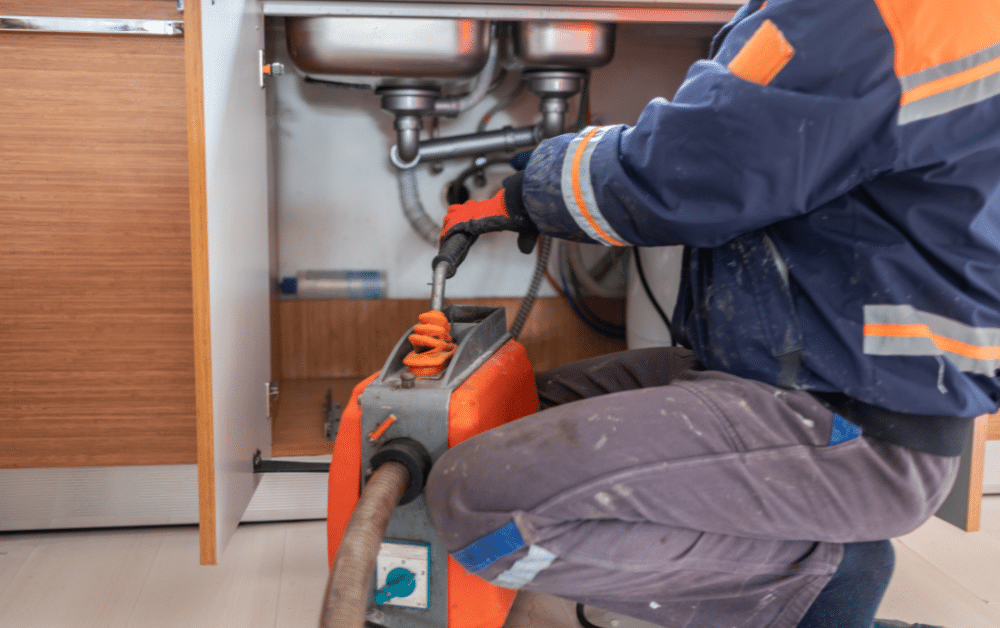
Once the likely source is identified, the plumber will choose an appropriate method to restore drainage. Depending on the pipe and obstruction, this may involve a professional drain-cleaning machine or specialized equipment designed for sewer lines.
Mechanical drain cleaning can break up or retrieve obstructions such as accumulated debris and certain root intrusions. In other situations, hydro jetting may be appropriate to flush buildup from the pipe using high-pressure water. However, hydro jetting is not suitable for every damaged or fragile line, so the plumber should assess the pipe’s condition before using it.
If the blockage cannot be safely cleared using routine methods, further investigation or repair may be necessary.
Step 3: Inspect the Sewer Line for Underlying Damage
Clearing the immediate obstruction does not always mean the problem is permanently solved. Tree roots, pipe misalignment, cracks, corrosion, or a collapsed section can cause repeated backups.
When appropriate, a plumber may use a sewer camera to inspect the inside of the pipe. This helps identify damage and determine whether the line needs additional cleaning, a targeted repair, or replacement.
The goal is to understand why the backup occurred, rather than simply restore drainage for a few hours.
Step 4: Verify Drainage and Recommend Next Steps
After addressing the blockage, the crew will check whether the line is draining properly. They should explain what they found, what work was performed, and whether additional repairs are recommended.
Ask whether the blockage appears to be recurring, whether the pipe showed signs of structural damage, and whether a follow-up inspection is needed. You should also ask what precautions to take before resuming normal water use.
Plumbing repairs and sewage cleanup are separate tasks. Even after the drain is working again, contaminated flooring, drywall, and belongings may require professional remediation. Restoring drainage is the first step toward recovery, not necessarily the end of the emergency.
How to Prevent Another Middle-of-the-Night Backup
Once the immediate crisis has passed, take time to address the conditions that may have contributed to the problem. Avoid flushing wipes, paper towels, feminine hygiene products, and other items that do not belong in the toilet. Even products labeled flushable can contribute to blockages.
Keep cooking grease, oils, and food scraps out of household drains. If your home has older plumbing or a history of recurring backups, ask a licensed plumber whether a sewer camera inspection would be beneficial. Tree roots and deteriorating pipes may require attention before another blockage occurs.
If the backup was associated with heavy rain or a municipal sewer problem, ask your plumber or local utility whether there are additional steps appropriate for your property. The right preventive measures depend on the actual cause, so avoid investing in equipment or repairs before the problem has been properly diagnosed.
Get Help Before a Midnight Backup Gets Worse
A main sewer line backup at midnight can turn a quiet night into a frightening, messy emergency. But you do not have to handle every part of it yourself. Stop using water, keep people and pets away from sewage, avoid electrical hazards, and contact a qualified emergency plumber. These simple decisions can help limit exposure and prevent additional damage while the problem is assessed.
Once the immediate danger is under control, professional drain clearing, sewer line inspection, and appropriate cleanup can help restore your home and reduce the chance of another backup.
When wastewater starts rising, you need a clear plan and dependable help—not guesswork. MoCo Plumbing can help you take the next step when a sewer emergency disrupts your home in the middle of the night. Contact MoCo Plumbing today for emergency plumbing assistance, explain what is happening, and get the professional support you need to move from panic toward a solution.