Many homeowners underestimate how serious plumbing leaks can become over time. What may begin as a slow drip beneath a sink or a small hidden pipe crack can develop into widespread water damage over time, mold growth, and costly structural repairs. Plumbing systems are developed to safely move water throughout a home, but when leaks develop, that water can begin damaging walls, flooring, insulation, and even the foundation itself. At MoCo Plumbing, homeowners often discover that catching plumbing leaks early can save thousands of dollars in repairs and help prevent long-term damage. Understanding the warning signs and causes of leaks is one of the best ways to protect your property and maintain a healthy plumbing system.
What Causes Plumbing Leaks?
Plumbing leaks can happen for many different reasons, and some causes are more common than homeowners realize. Pipes naturally age over time, but environmental conditions and poor maintenance can also increase the risk of leaks developing throughout the home.
Corroded Pipes
Older plumbing systems are especially vulnerable to corrosion. Metal pipes can slowly deteriorate due to minerals in the water, chemical reactions, and years of wear and tear. As corrosion weakens the pipe walls, small cracks or pinhole leaks may begin to form.
Corroded pipes are one of the top causes of plumbing leaks in older homes. Even a tiny leak can release a surprising amount of water over time, leading to hidden moisture damage behind walls or beneath flooring.
High Water Pressure
While strong water pressure may seem convenient, excessive pressure can place unnecessary stress on pipes, fittings, and valves. Over time, this constant strain weakens plumbing connections and increases the likelihood of leaks.
Increased water pressure can also shorten the lifespan of machines like water heaters, dishwashers, and washing machines. A plumbing inspection can help determine whether pressure levels are damaging the system.
Clogged Pipes and Drains
Clogs create pressure buildup inside plumbing lines. When water cannot flow properly through the pipes, the increased pressure may force weak sections of the pipe to crack or leak.
Grease, soap buildup, hair, food debris, and foreign objects are common causes of plumbing blockages. Routine drain cleaning and proper maintenance can help reduce the risk of plumbing leaks caused by clogs.
Temperature Changes
Seasonal weather changes can also affect plumbing systems. During cold weather, water inside pipes may freeze and expand. This expansion places tremendous pressure on the pipe walls and can lead to cracks or burst pipes.
Even minor freezing damage can result in plumbing leaks once temperatures rise again. Proper pipe insulation is especially important during the winter months.
Common Signs of Plumbing Leaks
Some plumbing leaks are easy to spot, while others remain hidden behind walls, ceilings, or beneath flooring. Identifying the warning signals early can help homeowners avoid larger and more expensive repairs.
Unusually High Water Bills
One of the most common signs of plumbing leaks is a sudden increase in water bills. If your household water usage has not changed but your bill keeps rising, hidden leaks may be wasting water somewhere inside the home.
A seemingly minor drip can account for hundreds of gallons of water waste each month. Homeowners should monitor their water bills carefully and investigate any unexplained increases.
Water Stains and Discoloration
Water stains on ceilings, walls, or floors often indicate hidden plumbing leaks. Stains may appear yellow, brown, or copper-colored depending on the materials involved and the source of the leak.
Bubbling paint, peeling wallpaper, and warped flooring are also signs that moisture is trapped behind surfaces. Ignoring these symptoms can allow water damage to spread throughout the home.
Reduced Water Pressure
A hidden leak can reduce water pressure throughout the plumbing system. If faucets or showers suddenly lose pressure, it may indicate water escaping through damaged pipes before reaching the fixture.
Low water pressure combined with other symptoms often points to hidden plumbing leaks that require professional inspection and repair.
Why Plumbing Leaks Should Never Be Ignored
Some homeowners delay repairs because the leak appears minor or manageable at first. Unfortunately, plumbing leaks almost always become worse over time. Delaying repairs can significantly increase both the damage and repair costs.
Structural Damage to the Home
Water is extremely destructive when it spreads through building materials. Plumbing leaks can weaken drywall, wooden framing, flooring, and even concrete foundations if moisture remains untreated.
As water damage progresses, repairs become far more extensive and expensive. Fast action helps protect the structural integrity of the property.
Mold Growth and Indoor Air Quality Problems
Persistent moisture from plumbing leaks creates ideal conditions for mold growth inside your walls and under floors. Mold can spread quickly and may become difficult to remove once it reaches insulation and hidden spaces.
Inadequate indoor air quality generated by mold can affect comfort throughout the home. Addressing plumbing leaks early helps reduce the risk of widespread contamination.
Increased Utility Costs
Leaking pipes waste large amounts of water every day. Homeowners may continue paying higher water bills month after month if leaks remain undetected.
Damage to Personal Belongings
Water leaks can also destroy furniture, electronics, carpeting, clothing, and sentimental items. A drip that seems harmless can cause major damage if water spreads into storage areas or living spaces.
Professional leak detection and repair can help minimize property loss and prevent future damage.
The Most Common Areas for Plumbing Leaks
Leaks can develop almost anywhere within a plumbing system, but certain locations are especially vulnerable.
Under Sinks
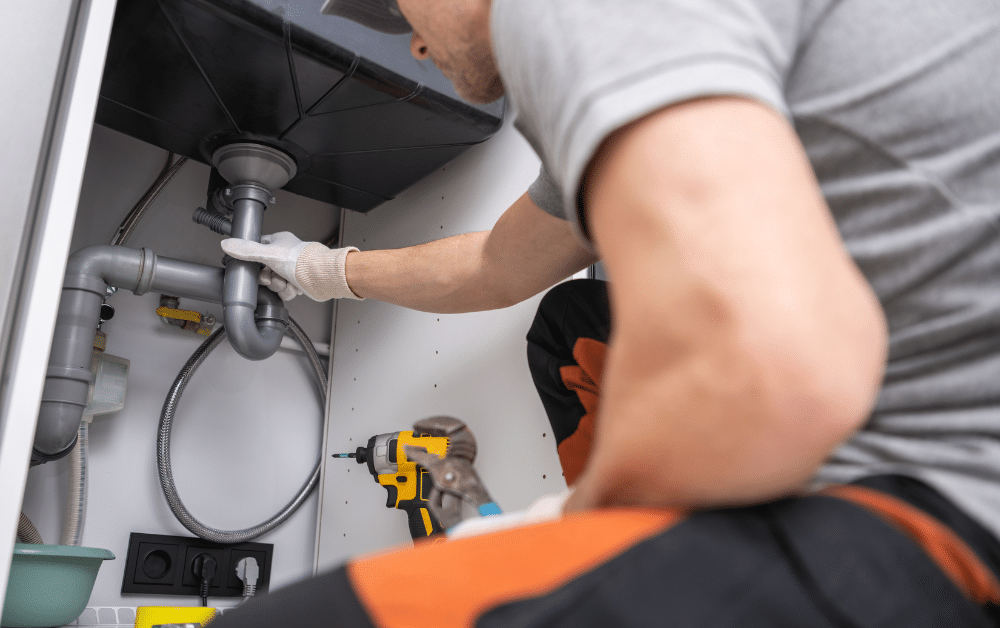
Kitchen and bathroom sink pipes often develop leaks due to worn seals, loose connections, or corrosion. Homeowners should regularly check under cabinets for moisture or water stains.
Around Water Heaters
Water heaters are another common source of plumbing leaks. Aging tanks, damaged valves, and pressure buildup can all cause leaks near the unit.
Even small water heater leaks should be inspected promptly to avoid larger failures.
Behind Walls
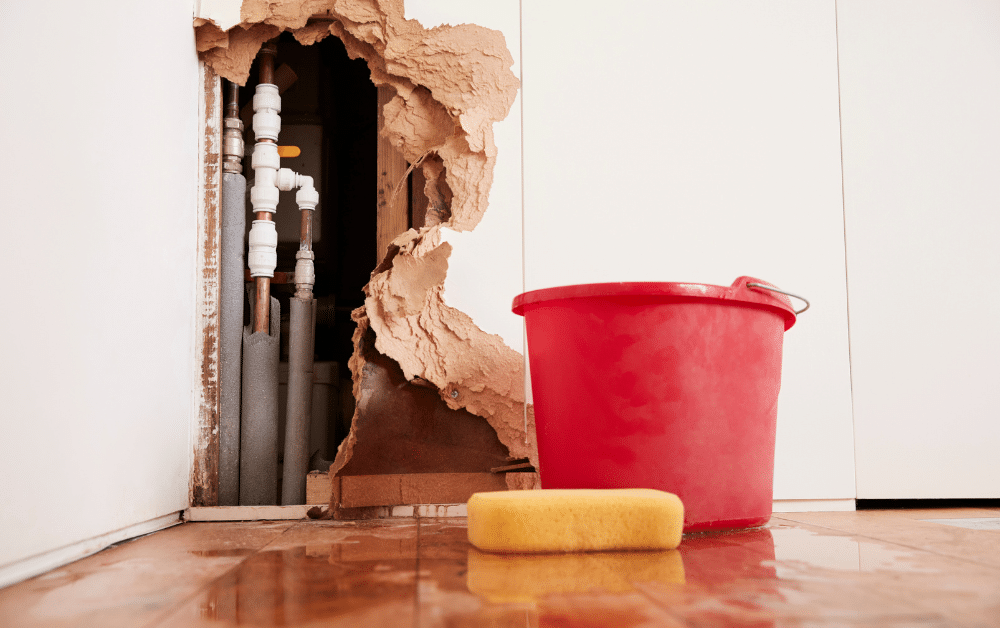
Hidden pipe leaks behind walls are especially dangerous because they may go unnoticed for long periods. Homeowners may only discover the issue after mold, stains, or structural damage appear.
Professional leak detection equipment can help locate hidden plumbing leaks without unnecessary demolition.
Beneath Foundations
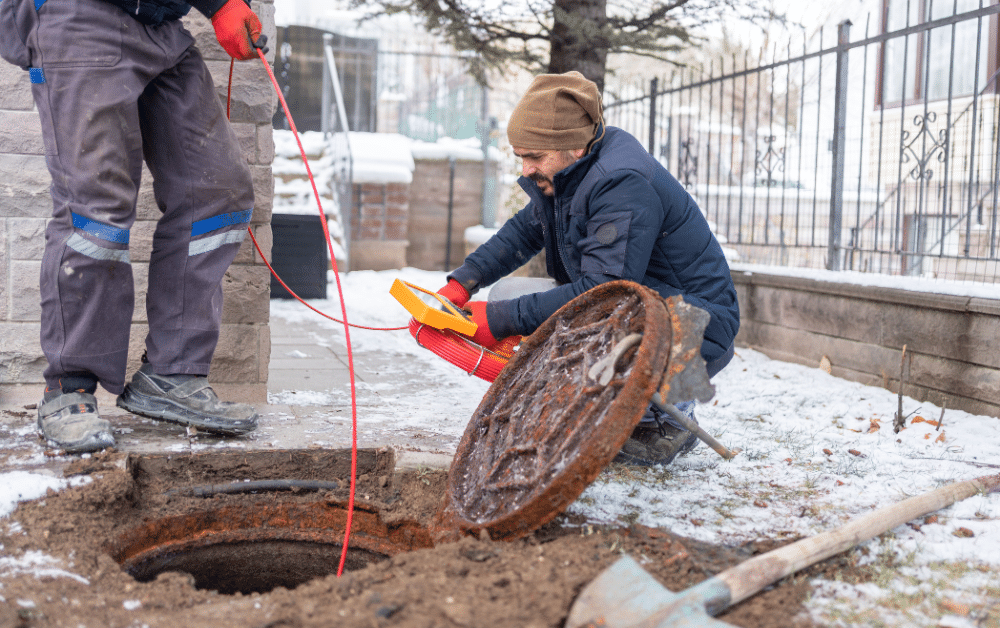
Underground plumbing leaks beneath concrete slabs can cause serious foundation damage if left untreated. Signs of slab leaks may include warm floors, foundation cracks, or unexplained moisture.
Early detection is critical for minimizing repair costs and protecting the home’s structure.
How Professional Leak Detection Helps
Modern plumbing professionals use advanced tools and technology to locate hidden leaks quickly and accurately. Specialized leak detection equipment allows plumbers to identify issues without generating unnecessary damage to walls or flooring.
Specialized acoustic tools can detect the sound signature of pipe leaks, while thermal imaging cameras reveal hidden moisture behind surfaces. Pressure testing may also help identify leaks within underground plumbing systems.
Professional inspections provide homeowners with accurate information about the condition of their plumbing system and the best repair options available.
Preventing Plumbing Leaks
While not every leak can be prevented, regular maintenance greatly reduces the risk of plumbing failures.
Scheduling routine inspections allows professionals to identify aging pipes, weak connections, and small leaks before they become major problems. Monitoring water pressure and insulating exposed pipes during winter can also help protect the plumbing system.
Homeowners should avoid pouring grease, food waste, or harsh chemicals down drains, as these materials contribute to clogs and pipe damage.
When to Call a Professional Plumber
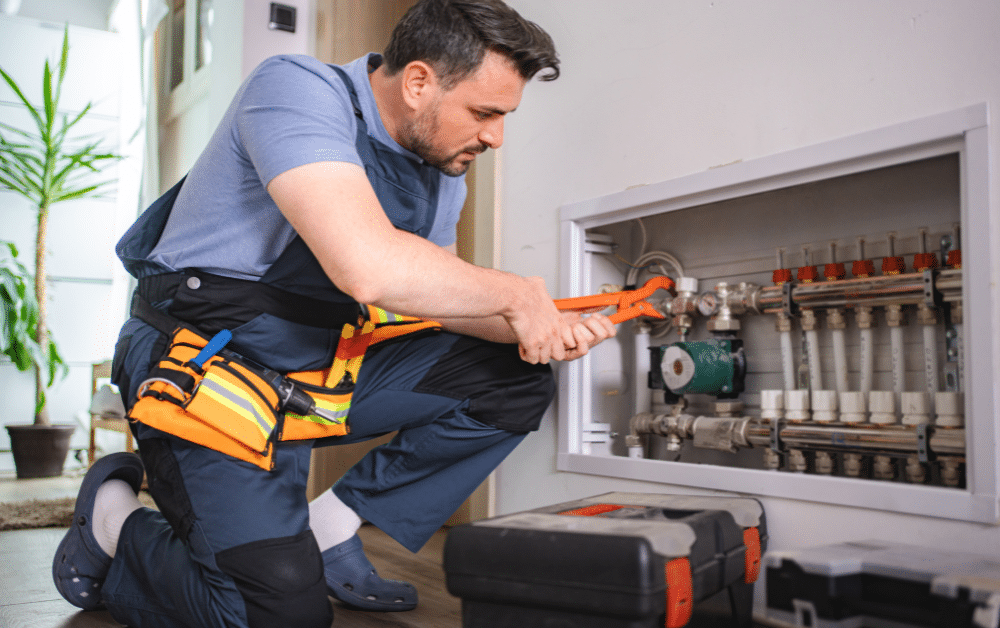
Some plumbing issues require immediate professional attention. Homeowners should contact a plumber right away if they notice persistent leaks, water stains, mold growth, low water pressure, or unexplained increases in water bills.
Ignoring these warning signs can allow damage to spread rapidly throughout the home. Professional plumbers can accurately diagnose the issue, perform reliable repairs, and help prevent future plumbing leaks from occurring.
Experienced plumbing technicians can also recommend preventative solutions that improve the long-term reliability of the system.
Conclusion
Plumbing leaks may seem minor at first, but they can quickly cause serious damage if left untreated. From rising water bills and mold growth to structural issues and damaged belongings, hidden leaks create costly problems throughout the home. Recognizing the warning signs early and scheduling prompt repairs can help homeowners protect their property and avoid expensive emergencies.
At MoCo Plumbing, homeowners can count on experienced professionals for accurate leak detection, dependable repairs, and long-lasting plumbing solutions. Whether you are dealing with a hidden pipe leak, water damage, or aging pipes, addressing plumbing leaks quickly is one of the best ways to protect your home and maintain a safe, efficient plumbing system. Contact MoCo Plumbing for fast, reliable repairs that help protect your home from costly water damage.