At some point, every homeowner faces the frustration of a clogged drain. Unfortunately, many common habits actually make the problem worse rather than better. Understanding these mistakes is crucial for protecting your plumbing and avoiding costly repairs. MoCo Plumbing has seen countless cases where minor errors led to major blockages that required professional intervention. By recognizing and repairing these habits, you can maintain drain cleaning and prevent unnecessary plumbing emergencies. Small changes in daily routines can save both time and money while keeping your plumbing system functioning efficiently.
Pouring Grease and Oil Down the Sink
Why Grease Solidifies in Pipes
Many homeowners assume that liquid grease simply flows down the drain and disappears. In reality, grease cools and solidifies as it moves through pipes, clinging to the interior walls and forming thick blockages. Over time, these hardened deposits can narrow your pipes or cause full backups that are difficult to remove. This type of clog often requires professional drain cleaning to restore proper flow. Avoiding this mistake by disposing of grease in the trash can prevent major plumbing problems before they start. Proper kitchen habits are key to maintaining a healthy plumbing system.
Long-Term Effects of Grease Build-Up
Once grease accumulates in pipes, it can trap other debris such as food particles, soap, and hair, creating denser blockages. These accumulations can impact multiple drains and even cause damage to your home’s main sewer line. Cleaning hardened grease often requires specialized tools or professional services, which can be costly. By preventing grease from entering your drains in the first place, you save both money and stress. Educating all household members about proper grease disposal helps ensure long-term drain health. Preventive practices now avoid emergency plumbing calls later.
Best Practices for Grease Disposal
Rather than pouring grease down the sink, collect it in a container and allow it to solidify before discarding it in the trash. Small amounts can also be absorbed with paper towels and disposed of safely. Keeping a dedicated container in the kitchen for grease collection makes this process simple and effective. Following these steps prevents major clogs and keeps drains flowing smoothly. Taking a few extra minutes after cooking can save hours of headache later. Proper disposal protects both your pipes and your wallet.
Flushing Non-Flushable Items
Misleading “Flushable” Labels
Products like wipes, feminine hygiene items, and paper towels often claim to be flushable, but they rarely break down properly in plumbing systems. These materials can catch on bends, joints, or other obstacles in the pipes, leading to stubborn clogs. Even dental floss, cotton balls, and thick toilet paper can contribute to blockages if flushed regularly. Ignoring these warnings may result in serious plumbing issues. Homeowners who understand which items to avoid can significantly reduce the risk of costly backups. Clear communication with all household members ensures consistent proper disposal.
How Clogs Form From Non-Flushable Items
Once trapped, these materials combine with grease, soap, and hair, forming dense plugs that can affect multiple drains. Over time, this accumulation may back up water and cause damage to or even damage, the sewer connection. The problem can escalate quickly if slow drains are ignored, requiring emergency plumbing service. Preventing these blockages is far simpler than repairing them later. Understanding the result of flushing the wrong items helps homeowners make better disposal choices. Proper habits maintain the flow and longevity of the plumbing system.
Prevention Tips
To protect your drains, only flush human waste and toilet paper. Keep a small trash bin in each bathroom to collect wipes, cotton swabs, and other items that should never be flushed. Educating children and guests about proper disposal is also important. These small precautions reduce the likelihood of clogs and expensive repairs. Preventive steps are easier, cheaper, and safer than dealing with major plumbing emergencies. Clear guidelines and consistent habits keep your plumbing running smoothly for years.
Overusing Chemical Drain Cleaners
Short-Term Fix, Long-Term Damage
Chemical drain cleaners seem like a speedy solution, but repeated use can damage pipes, especially older metal plumbing. The harsh chemicals corrode pipe walls, weaken seals, and may even cause leaks over time. While these products may temporarily clear a clog, they do not address the underlying cause. Relying on chemicals can create bigger problems that require professional repair. Using safer alternatives preserves both your pipes and your plumbing budget. Understanding the risks helps homeowners make smarter long-term maintenance choices.
Safer Alternatives
Mechanical solutions, such as drain snakes, augers, or hydro-jetting, remove blockages without harming your plumbing. Professionals use specialized tools to reach clogs deep within the system, ensuring thorough cleaning. These methods are safer, more effective, and prevent repeated issues. Choosing mechanical or professional solutions minimizes risk while restoring proper flow. Homeowners who adopt these alternatives avoid frequent emergencies. The investment in proper tools or services pays off in the long term, leading to greater reliability.
Understanding When to Use Chemicals
Occasional use of chemical cleaners may be effective for minor slowdowns, but frequent reliance is risky. It is important to reserve chemicals for extreme situations and follow all safety guidelines. Knowing the limits of these products protects your plumbing system and home environment. Education about proper alternatives prevents long-term damage and costly repairs. Proactive management keeps drains clean and reduces the temptation to misuse chemicals. Homeowners benefit from understanding when professional intervention is the smarter choice.
Ignoring Slow Drains
Slow Drains Are Warning Signs
A sink or shower that drains slowly is an early indicator of a developing clog. Ignoring this issue allows debris, grease, and hair to accumulate further, worsening the blockage over time. Minor slowdowns can escalate into full clogs, causing backups and potential water damage. Recognizing slow drains as a warning allows homeowners to take action before an emergency occurs. Routine inspection and early cleaning are essential steps in maintaining a healthy plumbing system. Being proactive prevents unnecessary stress and costly repairs.
Consequences of Inaction
Over time, a slow drain can affect multiple fixtures and even the main sewer line. Water may back up, leading to leaks, damage to cabinetry, and higher repair costs. Emergency services are often required when minor slowdowns are ignored. Early attention can save hours of inconvenience and thousands of dollars in repair expenses. Homeowners who act quickly maintain both their plumbing and peace of mind. Addressing minor problems early ensures long-term reliability.
Addressing Issues Early
Regular maintenance, including professional drain cleaning and inspection, can prevent minor slowdowns from becoming major blockages. Homeowners should monitor water flow and address issues at the first sign of trouble. Quick action keeps plumbing systems efficient and reduces the need for costly emergency repairs. Proactive habits help maintain the health and longevity of pipes. Partnering with a trusted plumbing service ensures that any developing issues are resolved safely. Taking preventive steps is always more effective than reactive fixes.
Using Improper Tools or Techniques for Drain Cleaning
Risks of Home Remedies
Using wire hangers, makeshift plungers, or excessive force can damage pipes. These methods often push clogs deeper or scratch the interior surfaces, creating further problems. Attempting DIY fixes without proper knowledge can increase repair costs rather than solve the issue. Homeowners may unknowingly worsen the clog, requiring professional intervention to correct. Understanding the limitations of home remedies is crucial to protecting plumbing infrastructure. Safety and effectiveness should always take priority over quick fixes.
Professional Tools and Expertise
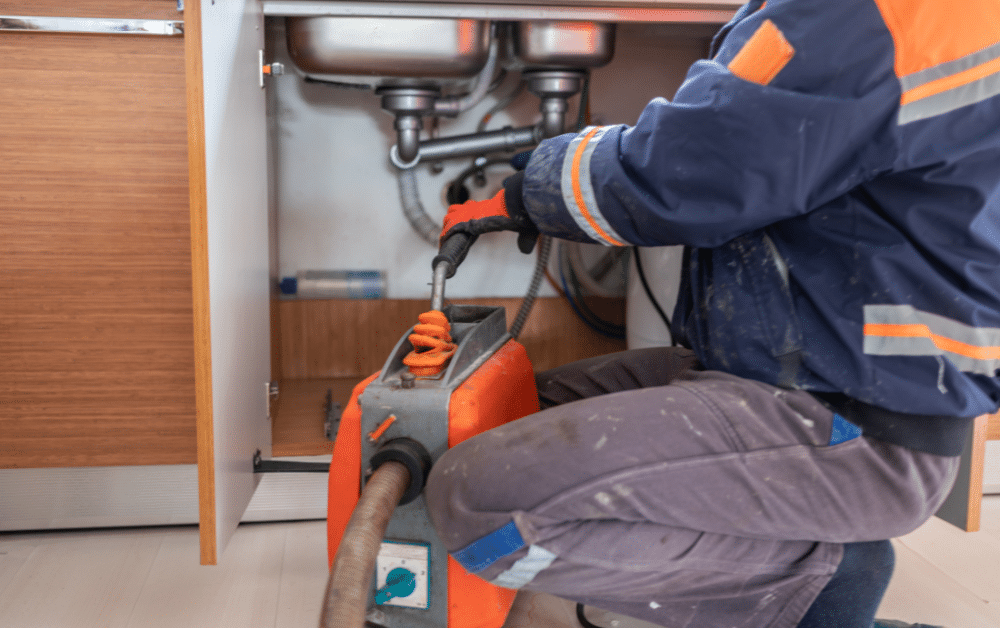
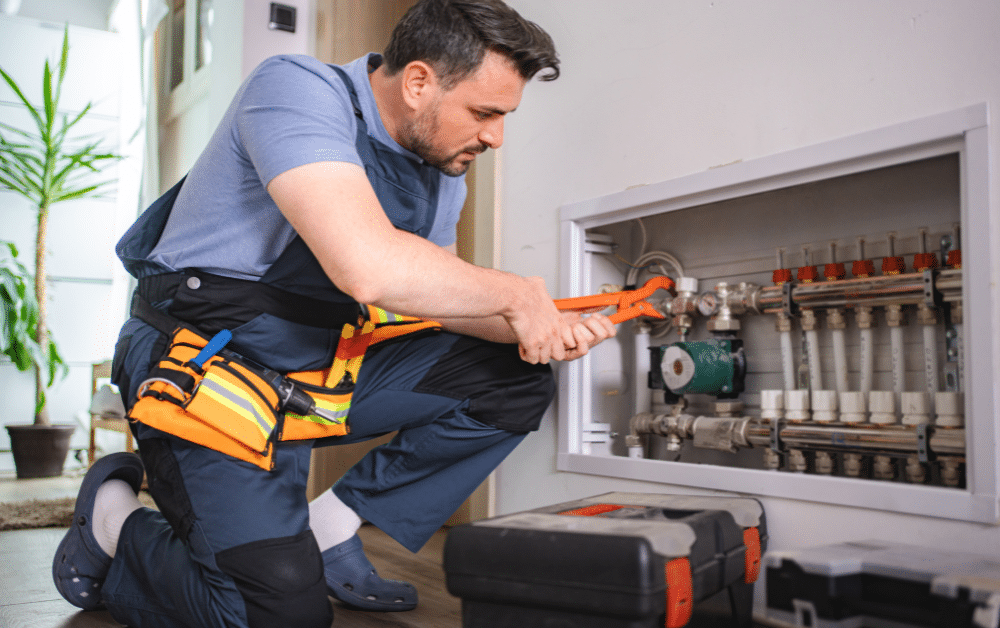
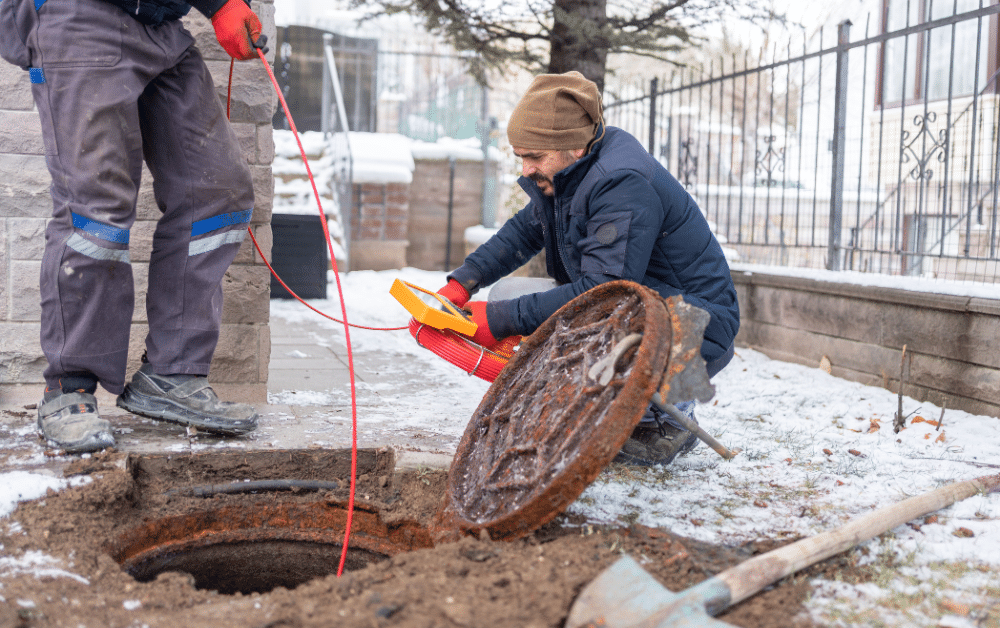
Professional plumbers use specialized equipment designed for safe and effective drain cleaning. Tools such as mechanical augers, hydro-jetting systems, and inspection cameras enable precise clog removal. These methods remove debris without harming pipes, seals, or connections. Relying on experts ensures that problems are fully resolved and reduces the likelihood of recurrence. Skilled professionals can also provide guidance on preventive measures. The right tools combined with experience guarantee optimal results.
Why Expertise Matters
Investing in professional services protects both your plumbing and your budget. Experts can handle complex clogs, identify underlying issues, and prevent future emergencies. Homeowners gain peace of mind knowing their drains are functioning properly. Attempting high-risk DIY techniques often leads to repeated clogs or damaged pipes. Partnering with trained professionals ensures long-term reliability and efficiency. Preventive care and proper maintenance preserve the integrity of your home’s plumbing system.
Conclusion
Avoiding common drain cleaning mistakes can save homeowners time, money, and stress. Pouring grease down sinks, flushing non-flushable items, overusing chemical cleaners, ignoring slow drains, and using improper tools all make clogs worse. By adopting safer habits and relying on professional services when needed, you protect your plumbing and prevent emergencies. MoCo Plumbing provides expert drain cleaning services that keep your home’s pipes flowing efficiently and safely.
Contact MoCo Plumbing today to schedule a drain inspection and ensure your drains remain clog-free for years to come.