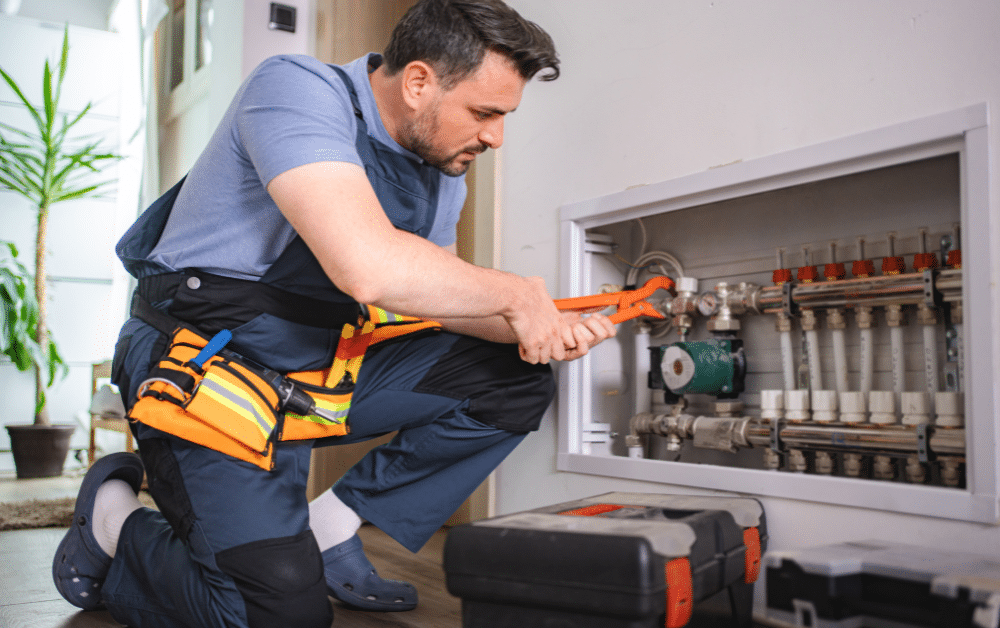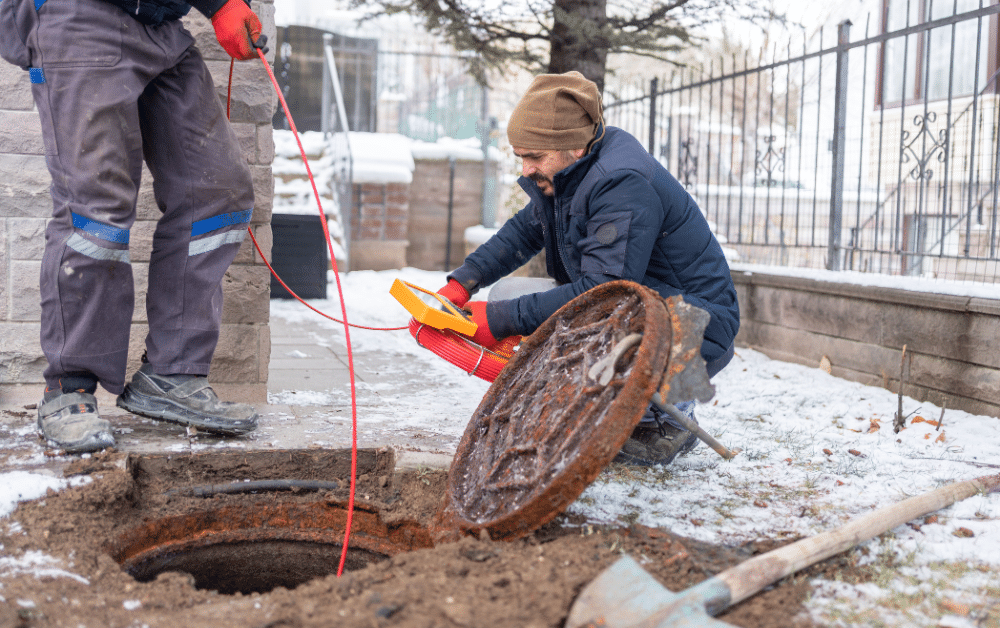
Winter brings beautiful snowfalls and frosty mornings, but it also introduces hidden risks to your home’s plumbing. Frozen pipes can occur suddenly, leaving homeowners with costly repairs, water damage, and significant disruption. MoCo Plumbing understands how stressful these emergencies can be, which is why this step-by-step guide helps you act quickly and safely when facing frozen pipes. By knowing how to identify, thaw, and prevent freezes, you can protect your home and maintain peace of mind during the coldest months. Taking prompt action ensures minor freezes do not turn into major emergencies, saving both time and money.
Identify the Frozen Sections Early
Watch for Signs of Freezing
Frozen pipes rarely go unnoticed if you know what to look for. Reduced water flow, frost accumulation on pipes, or unusual creaking and knocking sounds are common indicators. Recognizing these early signs allows homeowners to respond before pressure builds inside the pipes, which could lead to a burst. Paying close attention to subtle changes in water performance can prevent minor issues from becoming costly problems. Acting quickly is essential to limit potential damage and maintain the overall safety of your plumbing system.
Pinpoint Vulnerable Areas
Certain sections of plumbing are more prone to freezing than others. Pipes in attics, crawl spaces, garages, and along exterior walls are often exposed to colder temperatures. Identifying these vulnerable areas helps homeowners feel proactive and prepared, reducing worry about unseen risks and ensuring they can focus their prevention efforts effectively.
Act Quickly
Time is a critical factor when dealing with frozen pipes. Early intervention prevents small freezes from escalating into full-blown emergencies. Addressing frozen pipes promptly helps homeowners feel capable of protecting their home, reduces anxiety about potential damage, and reinforces their sense of control over the situation.
Use Safe Thawing Techniques
Apply Gentle Heat
Slow, controlled heat is the safest way to thaw frozen pipes. Methods such as using a hairdryer, a heat lamp, or warm towels help gradually warm the affected area, allowing water to begin flowing again. Applying heat too quickly can increase pressure inside the pipe and risk bursting it. Gentle warming ensures the pipe returns to regular operation without causing additional damage. Monitoring the process closely keeps your home safe while addressing the problem efficiently.
Avoid Open Flames
Avoid any methods involving fire or intense heat when thawing pipes. Blowtorches and other direct flames can damage plumbing and create fire hazards. Using professional-safe methods prevents accidents while effectively thawing the frozen pipes. Homeowners should focus on controlled, indirect heat to minimize risk. Avoiding flames ensures the process is safe and preserves the integrity of your plumbing system.
Maintain Safety Measures
While thawing frozen pipes, maintaining safety precautions is essential. Keep flammable materials away from the area and do not leave heat sources unattended. Gradual warming combined with close supervision prevents both fire risks and further pipe damage. This careful approach allows you to restore water flow safely. Following proper safety measures protects both your home and family while resolving the frozen pipes issue.
Do Not Ignore the Problem
Running Water Can Cause Damage
Attempting to force water through frozen pipes can cause cracks or bursts. Ignoring a freeze can quickly escalate into significant water damage, affecting walls, floors, and ceilings. Minor issues can become costly emergencies if not addressed promptly. Acting immediately reduces the likelihood of leaks spreading and structural damage occurring. Timely attention helps maintain the overall safety and function of your plumbing system.
Immediate Attention Reduces Risks
Addressing frozen pipes without delay limits the potential for water damage. Quick intervention prevents ice expansion from compromising pipe integrity. By taking immediate action, homeowners can contain problems before they worsen. Early response also minimizes repair costs and reduces disruption to daily life. Prompt attention ensures your plumbing system remains safe and functional during cold weather.
Stay Vigilant
Monitoring your plumbing throughout freezing temperatures is crucial. Pipes may freeze slowly, and problems can develop over time. Staying vigilant helps catch issues before they become severe. Regularly checking faucets and exposed pipes helps prevent small freezes from escalating into major emergencies. Maintaining awareness is one of the most effective strategies to prevent long-term damage from frozen pipes.
Call a Professional When Necessary
Recognize When to Seek Help
Some frozen pipes are inaccessible or already leaking, making professional assistance essential. Significant frost buildup in walls or difficult-to-reach areas requires specialized tools and expertise. Recognizing when a problem is beyond DIY measures ensures safety and efficiency. Calling a licensed plumber minimizes the risk of further damage. Professional intervention is often the safest way to address severe frozen pipe situations.
Licensed Plumbers Can Safely Thaw
Certified plumbers can thaw pipes efficiently while preventing additional problems. They have the knowledge and equipment to address both visible and hidden issues. Professionals can safely restore water flow, avoiding the hazards of improper DIY attempts. Their expertise ensures that the plumbing system returns to regular operation without causing further damage. Relying on experts provides peace of mind and long-term protection.
Inspect for Hidden Damage
After thawing, professionals can inspect pipes for hidden cracks or leaks. Problems aren’t always apparent immediately, though they can cause issues later if ignored. A thorough inspection identifies areas that need reinforcement or repair. Catching these issues early helps prevent future freeze events. Post-thaw inspections are a crucial step in maintaining a reliable plumbing system and avoiding recurring problems with frozen pipes.
Prevent Future Freezes
Insulate Vulnerable Pipes
Insulating pipes significantly reduces the risk of future freezes. Foam sleeves, heat tape, and proper pipe placement in unheated areas keep water flowing even in extreme cold. Protecting vulnerable plumbing ensures that winter conditions do not disrupt your household. Insulation is a simple yet effective preventive step against frozen pipes. Proper preparation now saves time, money, and potential water damage later.
Seal Drafts and Maintain Heat
Cold drafts can dramatically increase the chance of pipe freezing. Sealing gaps around windows, doors, and exterior walls keeps interior temperatures stable. Maintaining consistent heat throughout the home protects pipes along exterior walls and unheated areas. Even modest adjustments to indoor heating can prevent frozen pipes from forming. Temperature stability is a key factor in winter plumbing maintenance.
Let Faucets Drip
Allowing faucets to drip slightly helps maintain water movement, reducing the risk of freezing. This technique relieves pressure inside pipes as water expands. Combined with insulation and stable indoor temperatures, a slow drip can prevent ice blockages. Faucets connected to vulnerable lines benefit the most from this simple method. Incorporating this strategy ensures your plumbing system remains functional throughout the cold season.
Frozen pipes can cause significant stress and damage if not addressed promptly. By identifying the problem early, using safe thawing methods, acting immediately, calling professionals when necessary, and taking preventive measures, homeowners can protect their plumbing system and home. MoCo Plumbing offers expert guidance and services to safely and efficiently handle frozen pipes.
Contact MoCo Plumbing todayto ensure your home’s plumbing is ready for winter and protected from frozen pipes.