Garbage disposals have become a fundamental part of many kitchens, offering convenience, efficiency, and improved waste management. They are essential for reducing the volume of food waste generated in the kitchen, which can otherwise lead to unpleasant odors and increased trash disposal. With the push of a button, garbage disposals grate food scraps into tiny particles that can be efficiently flushed away. The ease of use makes them appealing to many homeowners who want to streamline their kitchen cleanup processes. At MoCo Plumbing, we understand the importance of reliable garbage disposals and their role in maintaining a clean kitchen. This thorough guide will explore the various aspects of garbage disposals, including their functionality, maintenance, pros and cons, and installation tips.
What Are Garbage Disposals?
Garbage disposals are electrical appliances installed beneath kitchen sinks that shred food waste into tiny particles. This design allows the waste to be flushed down the drain easily, minimizing the need for separate trash disposal. When food waste is fed into garbage disposals, rotating blades, known as impellers, grind it into smaller pieces. A motor powers these blades, ensuring they operate efficiently while water flushes the particles through the plumbing system. Understanding the mechanics of garbage disposals helps users appreciate their role in maintaining a clean and odor-free kitchen.
Types of Garbage Disposals
Several types of garbage disposals are available, with batch feed and continuous feed being the most common. Batch feed units require the user to cover the disposal with a unique lid before operation, providing an added layer of safety. On the other hand, continuous feed garbage disposals allow users to add food waste while the disposal is running, making them more convenient for daily use. Choosing the right type depends on individual kitchen habits, preferences, and safety considerations. Familiarizing yourself with these garbage disposals can help you make an educated judgment when purchasing one.
Benefits of Having a Disposal
Installing a garbage disposal can significantly enhance your kitchen’s functionality and cleanliness. These devices help maintain a tidy kitchen environment by reducing the volume of waste you produce. Garbage disposals also prevent food scraps from sitting in trash bins, which can lead to odors and attract pests. The convenience of having a disposal allows for quicker meal clean-up, as you can dispose of food waste immediately after cooking. Additionally, using garbage disposals can positively affect your home’s overall hygiene.
Considerations Before Installing
Several factors should be considered before installing garbage disposals to ensure a successful installation. First, consider your plumbing setup and whether your kitchen sink is compatible with a disposal unit. Local regulations may also impact your ability to install garbage disposals, so checking any relevant guidelines is essential. Additionally, assess the size and power of the unit to ensure it meets your household’s needs. Taking these concerns into account can help prevent issues during installation and usage.
How to Clean Garbage Disposals
Routine cleaning is essential for maintaining an odor-free and efficiently functioning garbage disposal. After each use, running cold water for about 30 seconds is necessary to flush away any leftover food particles that might cause buildup. Dive into a deep clean by adding a cup of baking soda to your garbage disposal and a cup of vinegar. Let the exciting fizz work its magic for 10 to 15 minutes, then flush it away with a hot water rinse for an invigorated disposal. This method neutralizes odors and helps break down any lingering food residue. Keeping the garbage disposal clean enhances its efficiency and prolongs its lifespan.
Deep Cleaning Techniques
Add ice cubes and a cup of rock salt to the garbage disposal for a thorough, deep clean. The ice helps to scratch off any residue from the blades, while the salt provides an abrasive effect, flushing out any debris. Additionally, grinding citrus peels like lemons or oranges can naturally freshen the disposal while breaking down grease. These natural cleaning techniques are practical and safe for your plumbing system, eliminating the need for harsh chemicals. You can preserve a pristine, odor-free garbage disposal by including these techniques in your usual practices.
Avoiding Chemical Cleaners
Avoid harsh chemical cleaners like bleach, which can damage the garbage disposal unit and the plumbing. Instead, choose effective, environmentally friendly natural cleaning solutions. Baking soda and vinegar, for example, are safe and readily available in most households. These substances can help break down waste and eliminate odors without harming the environment. By being conscious of the cleaning supplies you use, you can ensure the longevity of your garbage disposal.
Frequency of Cleaning
To maintain optimal performance, make it a goal to clean your garbage disposal at least once a month. Regular cleaning helps with odors and ensures the appliance functions appropriately without blockages. If you frequently use the disposal for heavy food waste, consider cleaning it more often. Establishing a routine can make cleaning feel less like a chore and more like a necessary part of kitchen maintenance. With regular attention, your garbage disposal can remain efficient and effective for years.
Proper Maintenance
Regular maintenance is necessary to guarantee the longevity and efficiency of your garbage disposals. Running the disposal regularly helps prevent rust and corrosion, keeping the internal components in good condition. Even if you don’t have food waste to dispose of, running it with water occasionally can keep the parts lubricated. It’s also essential to avoid overloading the unit; introducing food waste gradually rather than all at once can help prevent jams and strain on the motor. Embracing these basic maintenance routines can considerably enhance the lifespan of your garbage disposal.
Feeding Waste Properly
When using your garbage disposal, it’s essential to feed waste properly to avoid clogs and malfunctions. Gradually introducing food scraps allows the garbage disposal to process the waste effectively, preventing the blades from becoming overwhelmed. This practice is critical when dealing with stricter items like fibrous vegetables or large food scraps. Taking your time feeding waste into the unit can significantly affect the unit’s performance. Proper feeding habits contribute to a smoother and more efficient garbage disposal operation.
Knowing What to Avoid
Awareness of what should never go down the garbage disposal is key to maintaining its functionality. Avoid placing non-food items such as plastic, metal, and glass in the unit, as these can cause severe damage and lead to clogs. Additionally, fibrous foods like corn husks and onion skins should be kept out, as they can wrap around the blades and impede operation. Grease and oil are also a no-go; they can congeal in the pipes and form blockages. Understanding these limitations can help you use your garbage disposal safely and effectively.
Conducting Regular Inspections
Periodic inspections of your garbage disposal are essential for identifying issues before they become serious. Check for leaks near the junctions and listen for unusual noises during operation, as these can indicate underlying issues. Regularly inspecting the unit can help you address minor problems promptly, preventing the need for more extensive repairs later. If you notice anything unusual, don’t hesitate to consult a professional. A watchful eye on your garbage disposal can help ensure its continued performance.
Pros and Cons of Garbage Disposals
Understanding the advantages and disadvantages of garbage disposals can help you decide if they are right for your kitchen. One of the main benefits is convenience; garbage disposals make kitchen cleanup faster and easier by providing a quick way to dispose of food waste. They also help minimize unpleasant odors by eliminating food scraps from the trash, contributing to a cleaner kitchen environment. Environmentally, wastewater treatment facilities can handle organic waste processed through garbage disposals, reducing landfill contributions and promoting the recycling of nutrients. Recognizing these benefits can clarify why many homeowners opt for garbage disposals.
Environmental Impact
The effect of garbage disposals on the environment can be substantial, especially when considering sustainable waste management practices. By grinding food waste into smaller pieces, these appliances facilitate the treatment of organic materials at wastewater facilities, allowing for nutrient recycling. This method decreases the magnitude of waste in landfills, contributing to a more sustainable lifestyle. However, it’s important to emphasize that this disposal method isn’t suitable for all food waste, as some items can lead to plumbing issues. Overall, using a garbage disposal can be a positive step towards reducing your household’s ecological footprint.
Noise Considerations
On the downside, noise can concern some homeowners regarding garbage disposals. While newer models tend to be quieter, older units can produce disruptive sounds during operation, particularly in open-plan living spaces. This noise level can be bothersome, especially in households where peace is valued. If noise is a significant concern for you, consider investing in a model with noise-reduction technology. Understanding the sound level of a garbage disposal can help you select the best option for your home environment.
Cost Implications
When considering the cost of garbage disposals, it’s essential to factor in both the initial purchase and the long-term maintenance expenses. While the initial investment may be reasonable, installation fees and potential repairs can increase over time. It’s also important to consider the energy costs of operating the unit. Additionally, if your disposal becomes clogged or damaged, the cost of repairs can be significant. Evaluating these costs against the benefits can help you make a more educated judgment about installing garbage disposals in your kitchen.
Proper Installation
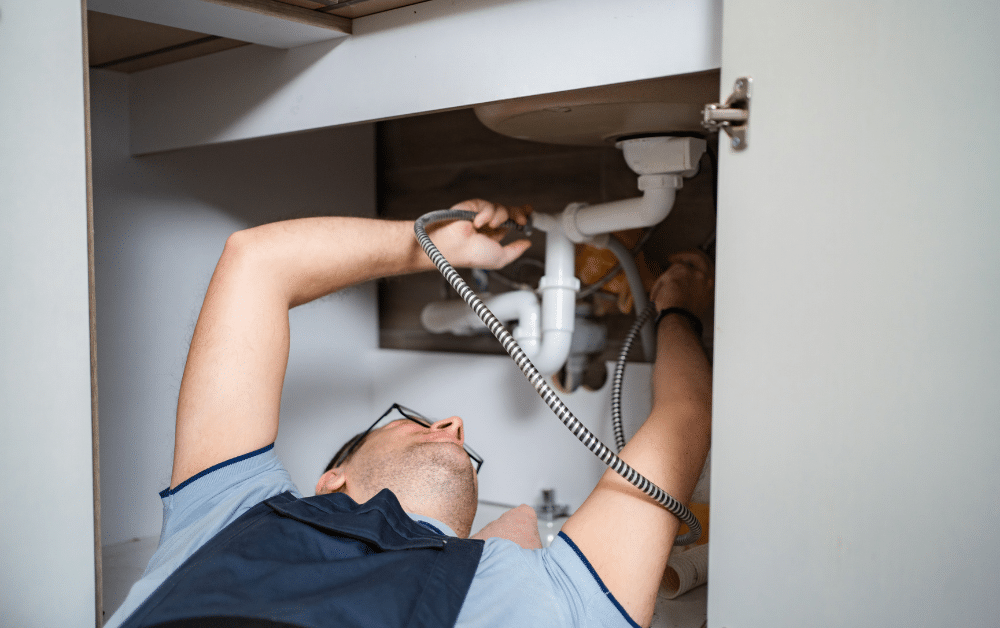
Installing a garbage disposal is a task best conducted by professionals to guarantee safety and functionality. First, we begin by disconnecting the power to the unit to prevent any accidents during installation. If we replace an old disposal, we carefully remove it from the sink and plumbing, detaching any electrical connections without causing damage. Next, we attach the mounting bracket to the sink according to the manufacturer’s specifications, applying the plumber’s putty to create a watertight seal. Following these guidelines closely allows us to ensure a successful installation process for the garbage disposal.
Mounting the Unit
Once the mounting assembly is securely placed, we fit the garbage disposal unit onto it. It is crucial to confirm that it is correctly aligned and securely connected, as this directly affects its functionality and safety. We ensure the connection is firm to prevent leaks or malfunctions during operation. After securing the disposal, we double-check that all components are correctly positioned. Proper mounting is essential for the garbage disposal’s overall performance.
Connecting Plumbing
Next, we connect the drain line and any necessary hoses to the garbage disposal, ensuring everything is secure and leak-free. This step is vital, as improper connections can lead to leaks that may damage the kitchen. We pay close attention to the manufacturer’s guidelines for installing plumbing components related to garbage disposals. After securing all plumbing connections, we conduct a quick test with water to check for leaks before proceeding. Thorough plumbing connections are key to ensuring that the garbage disposal operates smoothly.
Final Checks and Testing
We carefully follow local codes and the manufacturer’s instructions regarding electrical connections. If there’s any discomfort with electrical work, hiring a qualified professional for this part of the installation is always advisable. Once all connections are made, we restore power to the unit and run the garbage disposal with cold water to check for leaks and ensure it operates correctly. During this test, we listen for unusual noises that might indicate potential issues. Completing these final checks guarantees that the garbage disposal is ready for reliable use, providing peace of mind for our clients.
Conclusion
Garbage disposals are an invaluable tool in modern kitchens, offering ease of use and effective waste management. You can guarantee its longevity and efficiency by understanding how to clean, maintain, and properly install your garbage disposal. With the proper care, a garbage disposal can serve you well for many years, making your kitchen cleaner and more enjoyable to work in. Whether you’re a seasoned chef or an occasional cook, having a reliable garbage disposal can significantly enhance your kitchen experience. Being informed about your garbage disposal options with the support of MoCo Plumbing can help create an efficient and environmentally responsible kitchen.